
The Night Journey (Isra and Mi’raj) in Islamic Tradition
A sacred ascent into divine presence—awakening faith, igniting hope, and unveiling the mysteries beyond the seen in Islamic tradition.

A sacred ascent into divine presence—awakening faith, igniting hope, and unveiling the mysteries beyond the seen in Islamic tradition.
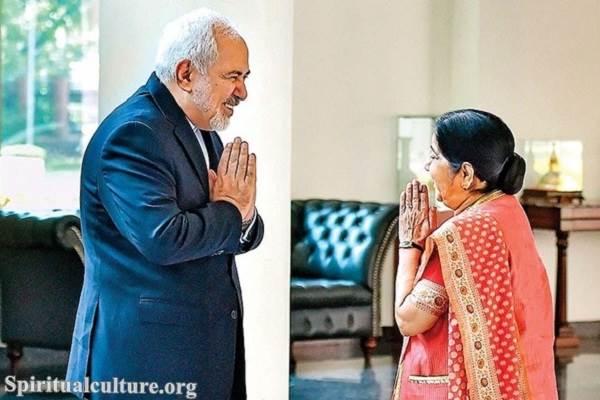
A non-Muslim can greet a Muslim by saying "As-Salaam-Alaikum," which is an Arabic greeting that translates to "peace be upon you."
Learn about the book Meditation for Fidgety Skeptics by Dan Harris, covering key teachings, relevance for readers in Buddhist tradition.
Jude the Apostle, though often overlooked, stood with bold faith and called believers to contend for truth with quiet strength and devotion.
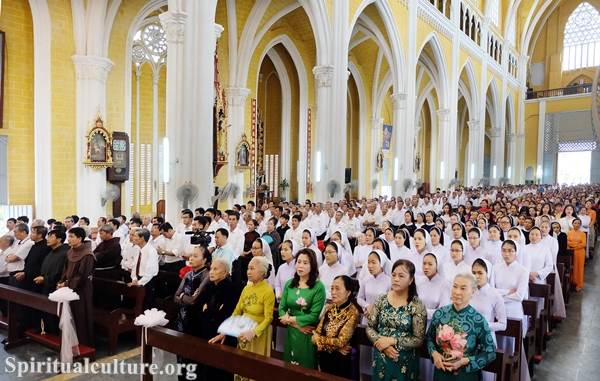
Learn 10 core Catholic beliefs about God, Jesus, Scripture, the Church, sacraments, salvation, Mary, saints, prayer, and eternal life.
Explore the divine world of Parvati, the Hindu goddess of love, fertility, and devotion. Discover her stories, symbolism, and significance.
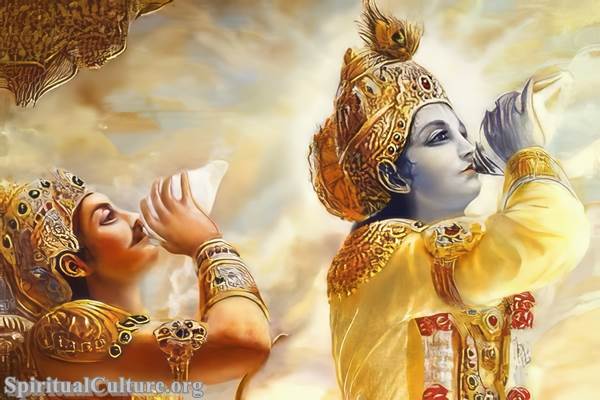
Learn about the conch shell (shankha) in Hinduism, including its symbolism, ritual use, association with deities, and sacred traditions.
The Dalai Lama, a symbol of compassion and wisdom, embodies Tibetan Buddhist leadership and inspires global peace across generations.
Find strength and hope in God’s promises as you walk through fertility struggles with faith, patience, and trust in His timing in context.
The core teachings of Buddhism are the Four Noble Truths, the Noble Eightfold Path, and the principles of compassion and wisdom in context.
The Five Aggregates —form, feeling, perception, mental formations, and consciousness—explain the non-self nature of human experience.
A sacred bond of love and grace — marriage and family reflect God’s eternal design for unity, holiness, and salvation in Orthodox tradition.