
Saint Teresa of Calcutta: Life, Missionaries of Charity, and Catholic Legacy
Saint Teresa of Calcutta, affectionately known as Mother Teresa, is one of the most recognized and respected figures in the Catholic Church.

Saint Teresa of Calcutta, affectionately known as Mother Teresa, is one of the most recognized and respected figures in the Catholic Church.
Learn the Kacchapa Jātaka’s source, traditional status, historical setting, and Buddhist teaching on restraint, speech, and self-discipline.
Learn about the Hebrew Bible: The Quintessential Guide to Judaism and Jewish Heritage, including meaning, biblical and rabbinic context.
Life is sacred from the first moment — discover why Catholic teaching defends human dignity at every stage with Catholic historical context.
Buddhists value simplicity as a path to clarity, reducing craving and distraction to cultivate peace, mindfulness, and true freedom.
Philip the Apostle wasn’t loud or famous, but his quiet, faithful response to Jesus helped open hearts and change lives for eternity.
Right View in Buddhism means seeing reality clearly—understanding suffering, impermanence, and karma as keys to wisdom and liberation.
Five short Buddha teachings with Dhammapada sources, meanings, translation context, and notes on common modern misattributions today.
Grace is God’s free gift of salvation and love—we need it because only grace can save us and bring us into life with Him in Christianity.
The concept of Allah's physical appearance is not discussed or depicted in the Quran and is considered to be unimportant in Islamic belief.
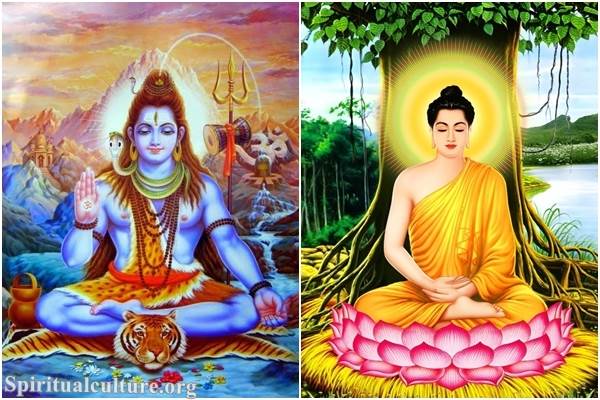
Hinduism and Buddhism share some similarities, such as the belief in karma and reincarnation, but there are also some key differences.
Learn about Patron Saint: An Integral Part of Catholicism, covering life and background, religious role, legacy, religious significance.