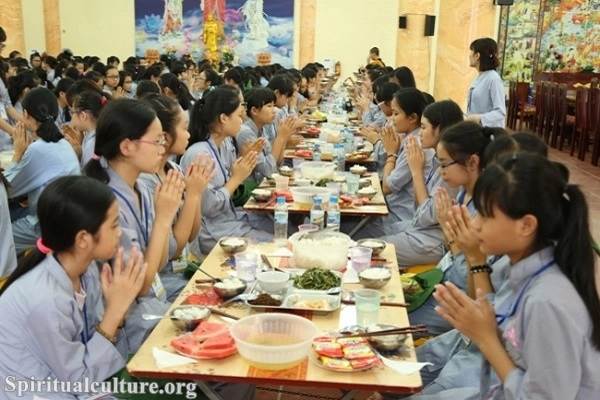
What Can’t Buddhists Eat? Precepts, Vegetarianism, and Monastic Food Rules
Learn what Buddhists may avoid eating, why vegetarian practice varies, how monastic food rules differ, and what the Five Precepts require.

Learn what Buddhists may avoid eating, why vegetarian practice varies, how monastic food rules differ, and what the Five Precepts require.

Learn about Protestantism, its Reformation roots, core beliefs, major denominations, worship traditions, global growth, and cultural legacy.

Learn about the Growth of Christianity in the First Three Centuries, covering modern relevance, biblical background, historical context.
Explore the key differences between Christianity and Catholicism, understanding their beliefs, practices, and historical contexts.
Andrew the Apostle, often unseen, was the first to follow Jesus and quietly brought others to Him with faithful, humble love in context.
Learn about the Rise of Pentecostalism in Global Protestantism, including history and origins, beliefs and theology, scriptural context.
A living faith, a peoplehood, a legacy: Discover the layered meaning of Jewish identity in today’s world with Jewish historical context.
Pope John XI’s controversial life shows how spiritual leadership can be compromised by worldly power, highlighting the need for integrity.
Dāna, or generosity in Buddhism, is a heart-opening practice that begins the path to awakening through giving and letting go in context.
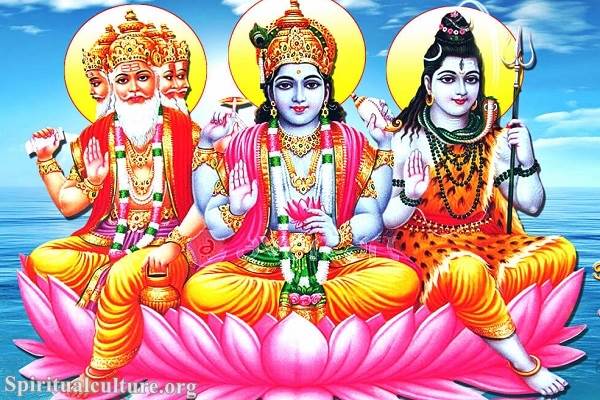
The Hindu Trinity, also known as the Trimurti, consists of three major gods in Hinduism: Brahma, Vishnu, and Shiva in Hindu tradition.
Ephesians reveals God’s eternal plan to redeem and empower His people in Christ—offering hope, identity, and purpose today in Christianity.
Jesus didn’t write a book because He lived the message, taught orally, and entrusted His followers to share His Word through the Spirit.