
What Is the Goal of Buddhism?
The goal of Buddhism is to end suffering by attaining enlightenment—a state of inner peace, wisdom, and liberation from attachment.
Daniel’s story shows unwavering faith in God, inspiring us to stay faithful and steadfast amid life’s pressures and temptations in context.

The Buddha taught the Four Noble Truths and the Eightfold Path as a way to end suffering and realize true liberation in Buddhist practice.
Letting go means releasing attachment and aversion, allowing peace, clarity, and freedom to arise in the present moment in Buddhism.
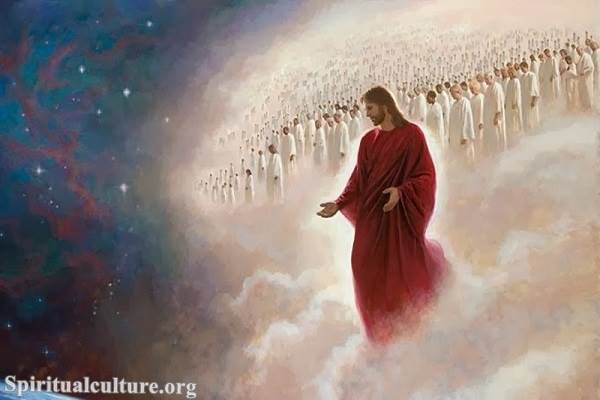
Learn what Revelation means by the seven spirits of God and how the image connects with sevenfold fullness, Zechariah and Christian views.
One of the most influential figures in the history of the Catholic Church, Pope Pius XI, served as the Holy See from 1922 to 1939.
Buddhist scriptures share wise sayings on kindness—urging gentle speech, compassionate action, and love for all beings in Buddhist practice.
Learn what history can say about the Twelve Tribes of Israel today, including exile, later identifications, evidence, and descent claims.
See the 10 countries with the largest Muslim populations in 2020 using Pew data, with population shares, methodology and global context.
The Lake of fire represents God’s final judgment on sin and evil, but also points to the hope of salvation in Jesus Christ in Christianity.
Learn about Zenkei Blanche Hartman’s Seeds of Virtue, Seeds of Change, including overview and central themes, strengths and limitations.
Mindful walking is moving with full awareness—each step a practice in presence, peace, and connection to the here and now in Buddhism.