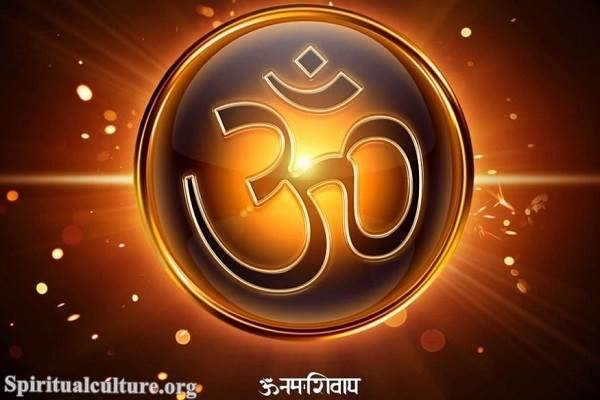
Om in Hinduism: Meaning of Aum, Upanishadic Symbolism, Chanting, Meditation, and Sacred Use
Learn the meaning of Om or Aum in Hinduism, its Upanishadic symbolism, sacred sound, chanting, meditation and respectful religious use.
Learn about religious symbols, sacred art, icons, music, chant, dance, calligraphy, ritual objects, textiles, and architecture in cultural and spiritual contexts.
Learn the meaning of Om or Aum in Hinduism, its Upanishadic symbolism, sacred sound, chanting, meditation and respectful religious use.

A sacred sign of devotion and identity—explore the spiritual depth behind the marks worn on the brow across traditions in Hindu practice.
Learn how sacred icons illuminate theology, bringing divine truths vividly to life through color and symbolism in Orthodox tradition.
Explore the history, symbolism, and meaning of the Orthodox Christian Cross. Learn about its unique design in Orthodox Christianity.
A timeless symbol of sacrifice, redemption, and divine love—unveiling the profound meaning behind the cross in Christian practice.
Learn about the rich spiritual tapestry behind Buddhist symbols, revealing timeless truths of awakening, compassion, and wisdom in context.
The Lotus Sutra is a Mahayana Buddhist scripture that is considered one of the most important sutras in East Asian Buddhism in context.
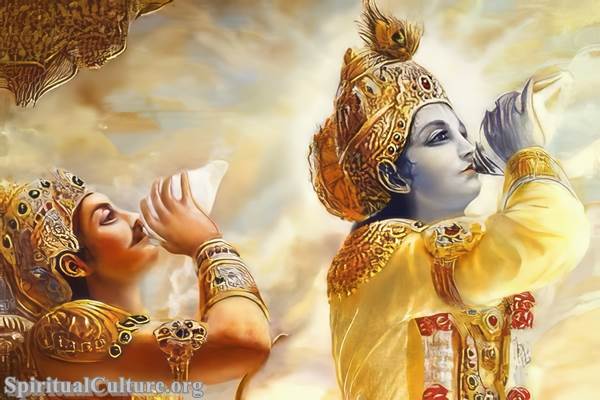
Learn about the conch shell (shankha) in Hinduism, including its symbolism, ritual use, association with deities, and sacred traditions.
Across every faith and culture, music becomes a sacred bridge — expressing the soul’s longing for the Divine in religious context.
Learn about the Menorah: An Emblem of Judaism and its Profound Meaning, covering traditional use, history and origins, modern relevance.
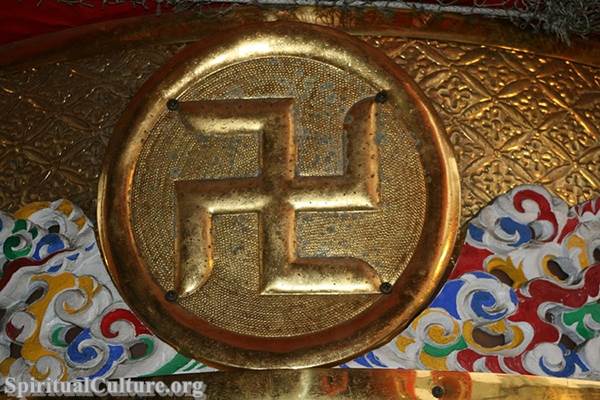
The Manji symbol, also known as a swastika, is an ancient symbol that has been used for thousands of years in many cultures and religions.
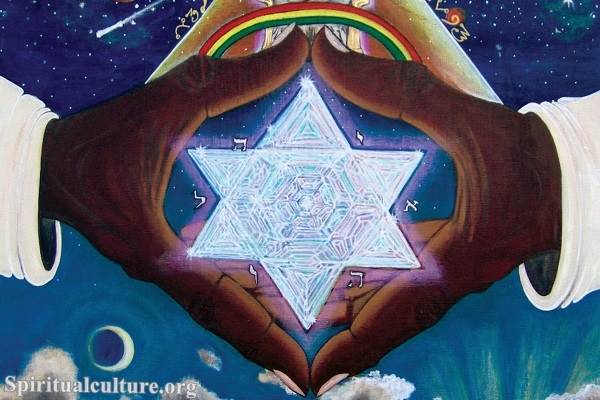
Explore the rich history and meaning of Jewish symbols in Judaism. Dive into the spiritual and cultural meaning of these sacred symbols.
All articles have been displayed.