
Why Do Some Religions Use Symbols and Others Don’t?
Learn about why some faiths embrace sacred symbols as bridges to the divine, while others avoid them to preserve holy mystery in context.
Learn about religious symbols, sacred art, icons, music, chant, dance, calligraphy, ritual objects, textiles, and architecture in cultural and spiritual contexts.
Learn about why some faiths embrace sacred symbols as bridges to the divine, while others avoid them to preserve holy mystery in context.
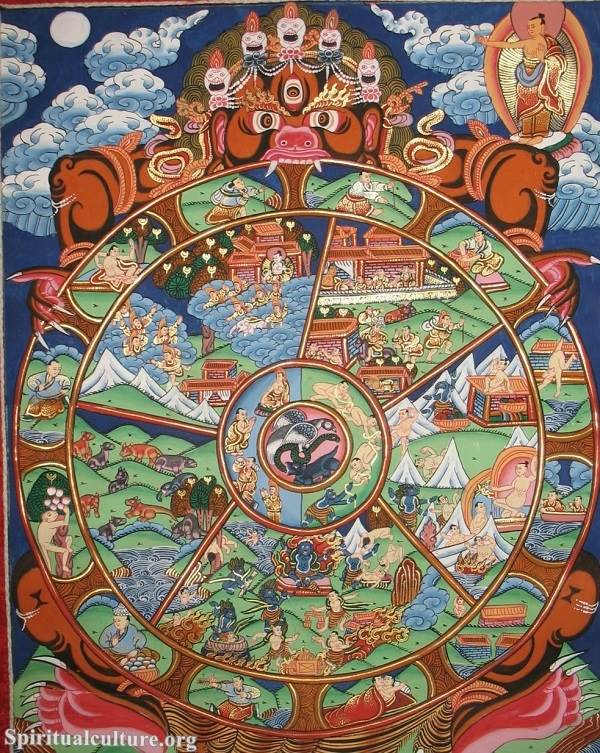
The Buddhism symbol is the Dharma wheel. There are also lotus flowers, stupas, bodhi trees, swastikas, and Tibetan prayer flags in context.
Learn about why incense and sacred objects breathe mystery and reverence into Catholic worship with religious and historical context.
The Jesuits spread the Gospel worldwide, defended Catholic doctrine, and shaped education during the Counter-Reformation and beyond.
Learn about the Role of Icons in Eastern Orthodox Worship, covering symbolism and religious use, role and significance, traditional use.
Dance is a sacred language beyond words, a vessel of prayer bridging earth and heaven, uniting body, soul, spirit in cosmic worship.
Learn about Christian symbols, including the cross, fish, dove, Alpha and Omega, and how their meanings developed in Christian tradition.
Buddhist chanting is a timeless practice that fosters mindfulness, focus, and spiritual awakening through rhythm, repetition, and reverence.
The cross is the most widely recognized symbol of the Roman Catholic Church. It is often depicted with the figure of Jesus crucified on it.
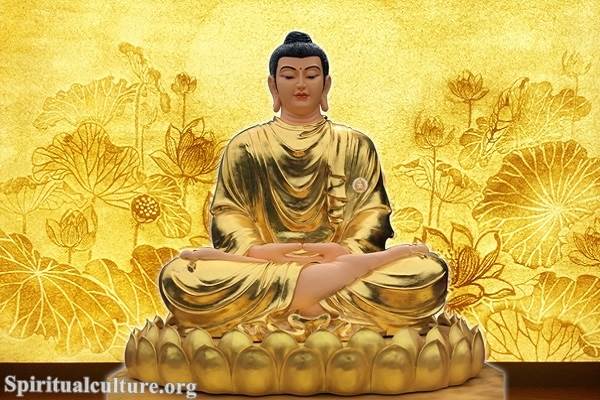
Learn why the Buddha is depicted on a lotus throne, including meaning and significance, traditional use in Buddhist belief and practice.
A sacred thread uniting faith and story — how religion has shaped literature’s heart across cultures and centuries in religious context.
Learn how Tibetan Buddhist sand mandalas are created and dissolved, and how the ritual expresses impermanence, devotion, and sacred meaning.
All articles have been displayed.