Tantra is not a synonym for sacred sexuality, nor is it one secret technique practiced by all Hindus. It refers to diverse ritual and philosophical traditions that developed in South Asia from the middle of the first millennium CE and influenced Hindu as well as Buddhist traditions. Spiritual Culture presents common features while avoiding sensational stereotypes.
Tantra is a family of traditions
Scholars use the term for a range of texts, ritual systems, deity cults, yogic methods, and initiatory lineages rather than one unified denomination.
Initiation is often central
Many tantric traditions require dīkṣā, initiation by a qualified teacher. Initiation authorizes particular mantras, deity practices, ritual procedures, and interpretive knowledge.
Mantra
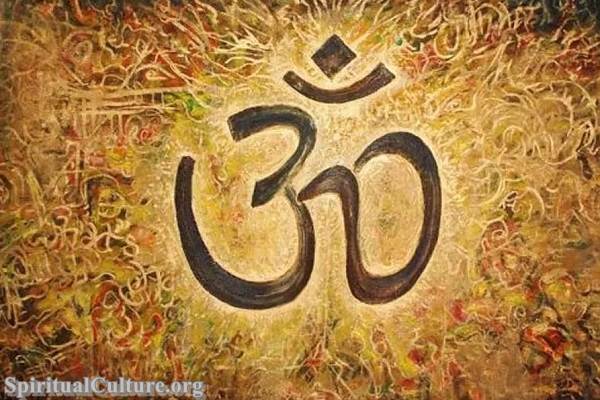
Tantric practice frequently uses sacred syllables or formulas connected with a deity, lineage, cosmology, or ritual goal. Mantras may have rules of pronunciation, repetition, and transmission.
Yantra and mandala
Geometric diagrams can organize sacred space, deity presence, ritual sequence, or meditation. A yantra is not merely decorative geometry detached from religious use.
Deity visualization
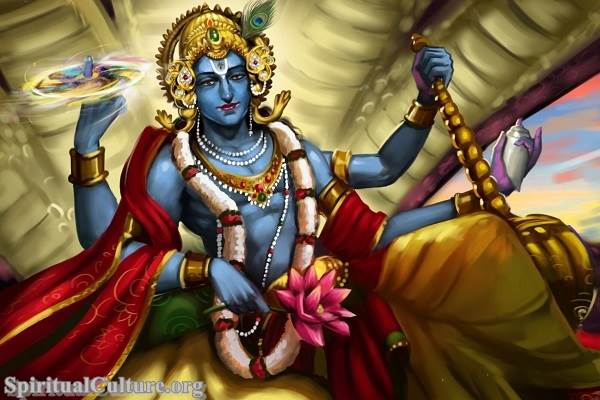
Practitioners may visualize a deity, sacred body, mantra syllables, or cosmic structure. The goal can involve transforming perception and identifying ordinary experience with divine reality.
Puja and ritual installation
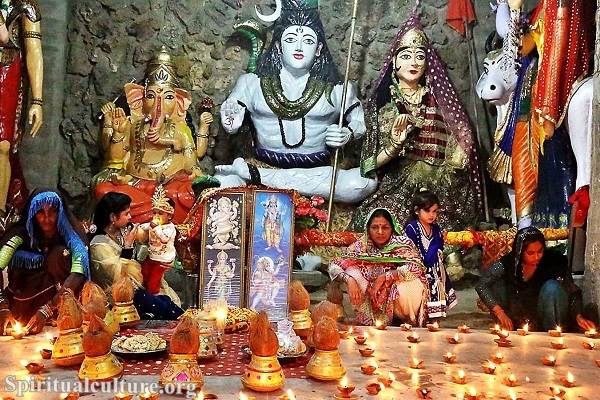
Tantric systems can include offerings, purification, consecration, nyāsa or placement of mantras on the body, fire ritual, and elaborate temple or household worship.
The body can become a sacred field
Some traditions work with subtle-body concepts, breath, channels, centers, sound, and visualization. Popular modern “chakra systems” often simplify historically diverse sources.
Transgressive practices existed but were not universal
Some tantric texts deliberately crossed purity rules or used substances and rites considered taboo. These practices belonged to specific contexts and should not be generalized to all Tantra.
Sexual rites are only one small part of a much larger history
The British Museum notes that some tantric sources include sexual ritual, but Tantra also includes theology, mantra, visualization, yoga, temple worship, kingship, goddess traditions, and ascetic practice.
Teacher and lineage matter
Because many practices are initiatory, learning advanced Tantra from decontextualized internet instructions can misrepresent both doctrine and expectations within living traditions.
Editorial context
Tantra should be approached historically and tradition by tradition. Mantra, initiation, deity practice, ritual, and visualization are more representative of its breadth than the modern stereotype that Tantra simply means sex.