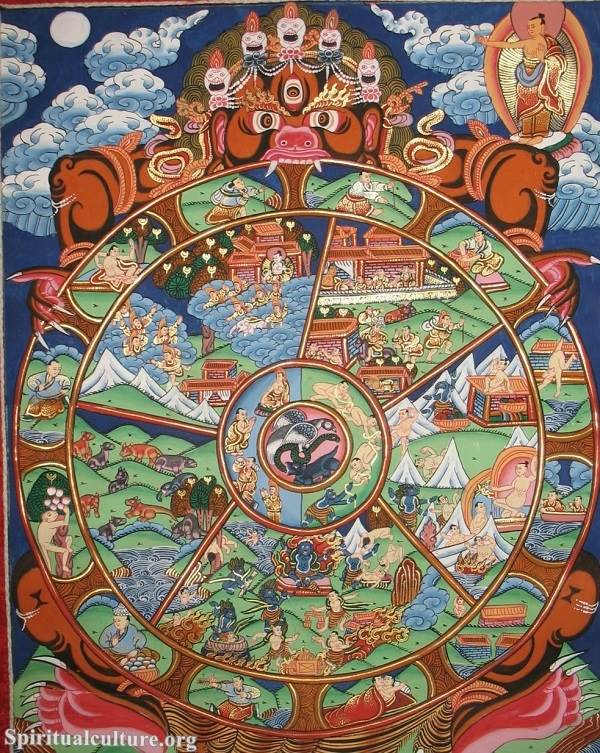
Buddhist Symbols: Dharma Wheel, Lotus, Bodhi Tree, Stupa, and Their Meanings
The Buddhism symbol is the Dharma wheel. There are also lotus flowers, stupas, bodhi trees, swastikas, and Tibetan prayer flags in context.

The Buddhism symbol is the Dharma wheel. There are also lotus flowers, stupas, bodhi trees, swastikas, and Tibetan prayer flags in context.

Buddhism explores life’s meaning through insight into suffering, impermanence, and self—guiding us toward compassion and liberation.
When feeling hurt, Buddhist wisdom offers compassion, mindfulness, and the reminder that all pain, like all things, will pass in context.
Learn why Orthodox Christians call the Church catholic, how that differs from Roman Catholic identity, and where the traditions diverge.
Jesus fulfills the Old Testament; from Genesis to Malachi, the entire story points to Him and reveals the full glory of the Gospel.
Learn how to visit a Buddhist temple respectfully, including dress, greetings, shrine etiquette, photography, offerings, and local customs.
Learn why the Catholic Church is the largest single Christian communion, how traditions are counted, and why denomination labels vary.
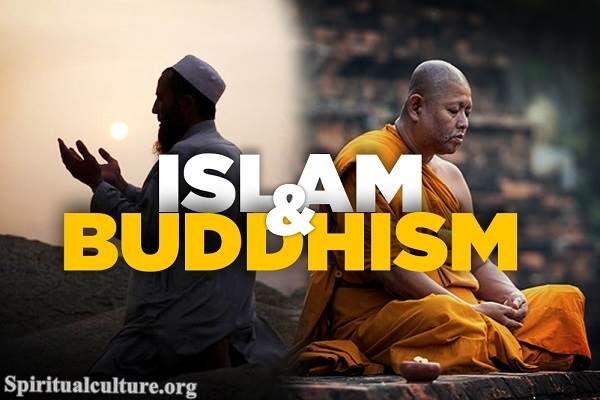
Compare Buddhism and Islam on God, revelation, salvation, ethics, worship, and the afterlife while respecting diversity in both religions.
Methodists are a key Protestant group known for grace-centered faith, disciplined discipleship, and a strong focus on social holiness.
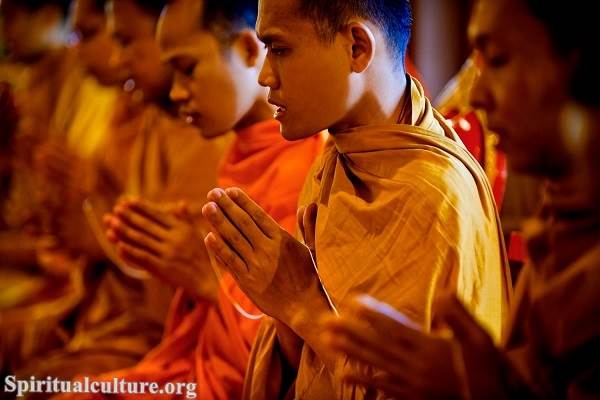
Learn how Buddhist prayer works, what Buddhists may pray for, common devotional practices, places of prayer, and views about deities.
Learn about why incense and sacred objects breathe mystery and reverence into Catholic worship with religious and historical context.
When faith feels distant, returning to your first love isn't trying harder—it's letting God's grace rekindle your heart again in context.