
Is there historical proof that Jesus existed?
Most historians agree Jesus existed in 1st-century Judea, based on both Christian and non-Christian ancient sources with historical context.

Most historians agree Jesus existed in 1st-century Judea, based on both Christian and non-Christian ancient sources with historical context.
Buddhist wisdom shows letting go brings peace, while giving up stems from despair—distinguishing the two can lead to true freedom.
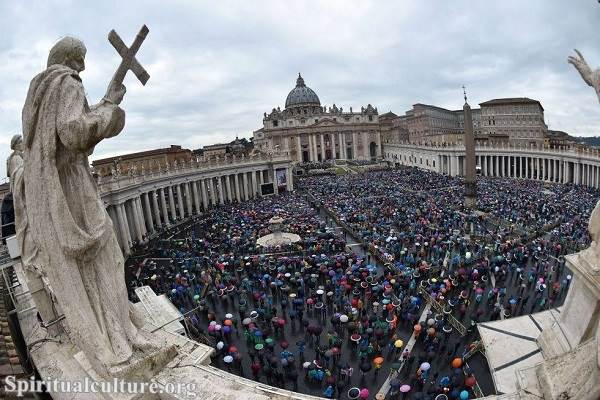
Learn why the Protestant Reformation spread successfully, including religious, political, social, technological, and institutional factors.
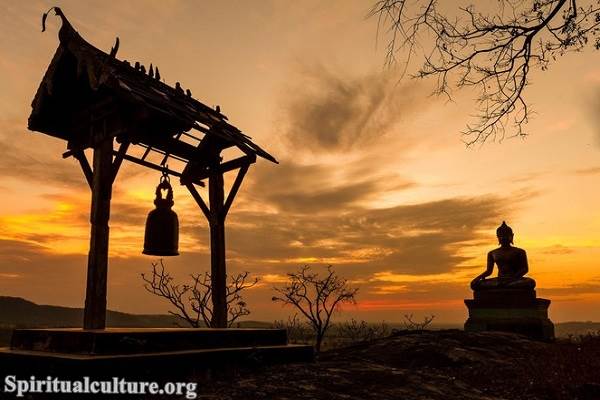
Learn about Four Divine Abodes, covering meaning, textual background, core teachings, practice, significance across Buddhist traditions.
A sacred journey of change that honors life’s key transitions and awakens the soul to deeper meaning and belonging in belief and practice.
Learn how the Catholic Church is organized from the local parish to the universal papacy — a sacred hierarchy of service in context.
A sacred ascent into divine life — discover how Orthodoxy’s healing vision of salvation differs from legal and forensic Western views.
1 Corinthians calls the Church back to the cross—rejecting pride and division to live in love, truth, and Christ-centered unity in context.
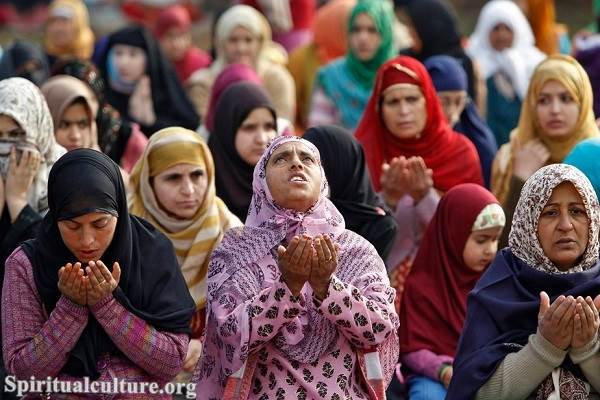
The Seven Pillars of Islam (also known as the Seven Fundamental Beliefs of Islam) are seven basic beliefs held by Muslims in context.
The Buddha and His Teachings by Narada Thera offers a clear, trusted guide to Theravāda Buddhism’s life story, core teachings, and ethics.
Learn how Protestants use the word saint, why many call all believers saints, and how Anglican churches commemorate holy lives today.
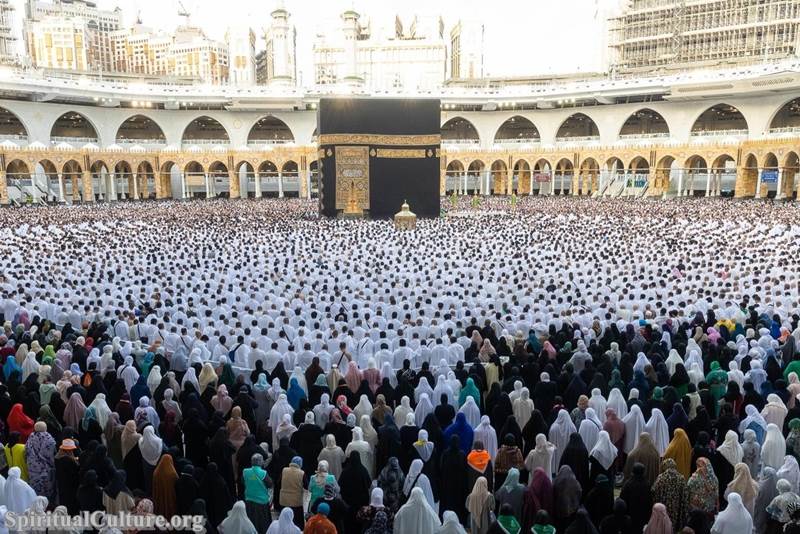
Learn how many countries have Muslim majorities, why the count differs from OIC membership, and how global studies define the category.