
Buddhism sacred text
Buddhism is a religion that has a rich history and philosophical depth, and much of its wisdom and teachings are found in its sacred texts.

Buddhism is a religion that has a rich history and philosophical depth, and much of its wisdom and teachings are found in its sacred texts.
Christianity in Timor-Leste: Catholic missions, local culture, independence, worship, churches, and the country’s wider religious life.
Faith in Christianity means trusting Jesus—it’s essential for salvation, bringing life, purpose, and hope in a broken world in context.

Learn which Christian traditions are similar to Protestantism, including key differences, religious meaning, cultural context, practice.
Guiding lights of the soul — sacred texts shape belief, ritual, and the spiritual journey across traditions across religious traditions.
The Buddha described the mind as luminous, ever-changing, and shaped by thoughts—central to both suffering and liberation in Buddhism.
The sacred worth of every soul — how Christianity proclaims, protects, and cherishes human life from womb to eternity in Christian practice.
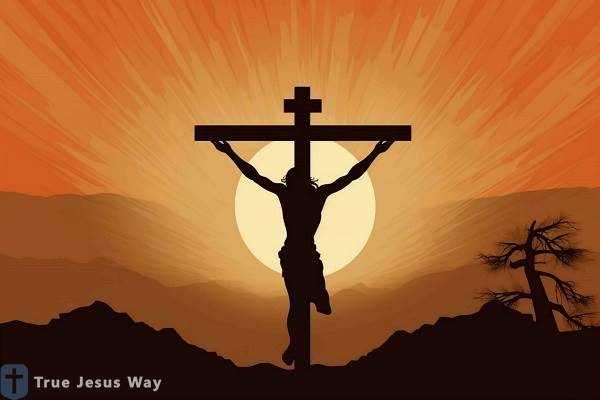
Jesus died on the cross to bear the punishment for humanity’s sin, fulfilling God’s justice and offering salvation to all who believe.

Learn Islamic conditions for marrying another wife, including the Quranic limit, justice, financial duties, contract terms, and civil law.
Learn about the Christian concept of eternal life, including legacy and influence, death and legacy in religious and historical context.
Learn how religion and spirituality differ and connect — two paths to the sacred, meaning, and inner truth across religious traditions.
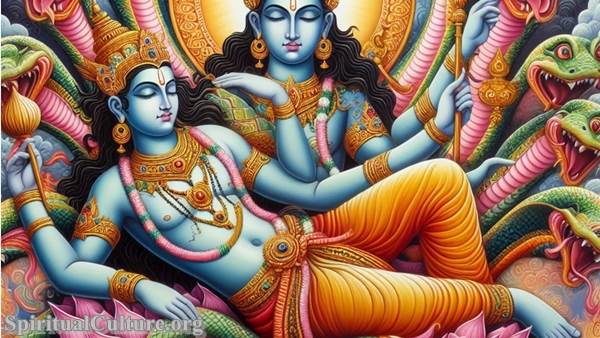
The depiction of deities with blue skin is a common motif in Hindu iconography, and one of the most notable examples is Lord Vishnu.