Indonesia has the world’s largest Muslim population, but its spiritual culture is highly diverse, including Christian, Hindu, Buddhist, Confucian, and many local adat traditions. Understanding Indonesia through religion and sacred heritage gives a clearer picture than treating culture only as food, tourism, or national symbols.
Religious traditions and everyday practice
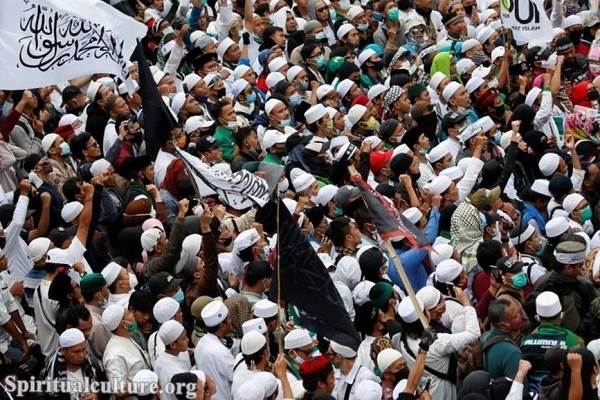
Islam developed across the archipelago through trade, scholarship, Sufi networks, kingdoms, and local adaptation. Muslim practice ranges widely by region and organization. Christianity is especially prominent in parts of eastern Indonesia, while Bali is internationally known for a distinctive form of Hindu religious culture.
Sacred places and religious heritage
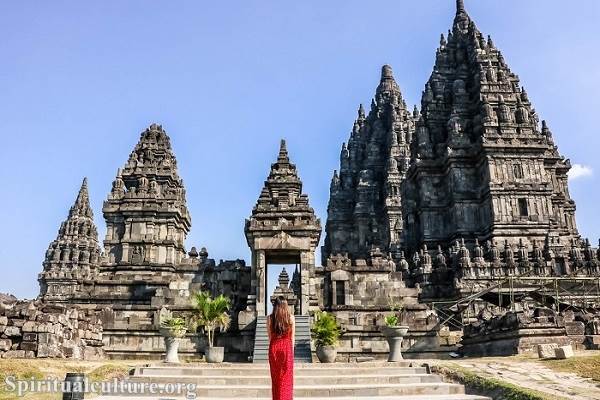
Borobudur is one of the world’s great Buddhist monuments, while Prambanan reflects Hindu heritage. Mosques, churches, Balinese temples, Chinese temples, sacred mountains, graves, and local ritual sites all belong to Indonesia’s religious geography.
Festivals, rituals, and community life
Ramadan and Eid are major national seasons. Nyepi in Bali, Vesak at Borobudur, Christian feasts, pilgrimage to saints’ graves, and local adat ceremonies demonstrate the diversity of ritual life.
Living spiritual culture
Indonesia’s spiritual culture is shaped by the relationship between recognized religions and local custom. Adat, ancestors, sacred landscapes, and regional identities often influence how formal religious traditions are practiced.
Religious diversity in context
Indonesia is predominantly Muslim, but its religious life varies greatly across thousands of islands and communities. Sunni Islam includes major educational, devotional, and reform traditions, while Sufi practice and local customary forms remain important in many regions. Bali has a distinctive Hindu religious culture, Christianity is especially significant in parts of eastern Indonesia and North Sulawesi, and Buddhist, Confucian, and local Indigenous traditions add further diversity.
Local adat can shape marriage, funerals, sacred landscapes, kinship, and community ceremonies even when people identify with one of the country’s formally recognized religions. The relationship between religion and custom therefore differs sharply from one region to another.
Festivals, pilgrimage, and sacred memory
Ramadan and Idul Fitri are major national moments, while the hajj connects Indonesian Muslims with the wider Islamic world. In Bali, Nyepi, Galungan, Kuningan, temple anniversaries, offerings, and processions form a dense Hindu ritual calendar. Christian Christmas and Easter observances, Vesak at Borobudur, and Chinese religious festivals also have important regional communities.
Indonesia’s sacred geography includes mosques, saints’ tombs, Hindu temple complexes, Christian churches, Buddhist monuments, ancestral houses, mountains, springs, and other local places whose meanings depend on community history.
Historical change and regional variation
Indonesia’s spiritual landscape has been shaped by older Hindu-Buddhist kingdoms, the spread of Islam through trade and scholarship, Christian missions, local customary traditions, and modern state institutions. These histories produced major regional differences, from Muslim-majority Java and Sumatra to Hindu Bali and Christian-majority areas in parts of eastern Indonesia.
Reading Indonesia’s spiritual culture carefully
National religious categories are important, but they do not capture every local practice. Adat, saint veneration, pilgrimage, ancestral customs, temple traditions, and Indigenous beliefs can interact with formal religious identities in different ways across the archipelago.