
How Can We Practice Joy Mindfully?
Learn how to cultivate sympathetic joy (muditā) in Buddhism through appreciative practice, gratitude, non-envy, and daily reflection.

Learn how to cultivate sympathetic joy (muditā) in Buddhism through appreciative practice, gratitude, non-envy, and daily reflection.
Pope Hyginus (c. 136–142 AD) led amid persecution, shaping early Church structure and offering a witness of enduring faith in Catholicism.
Learn about Christian symbols, including the cross, fish, dove, Alpha and Omega, and how their meanings developed in Christian tradition.
The Buddhist view of success is inner growth—living with wisdom, compassion, and mindfulness rather than chasing wealth or status.
Learn about St. Joseph of Arimathea: The Disciple Who Buried the King, covering religious role, legacy in Christian belief and practice.

A Muslim wedding ceremony, also known as a nikah, is a religious and social contract between a bride and groom in Islam in Muslim practice.
Jesus, different from other religious leaders, lived sinlessly, performed miracles, and rose again—proving He is the Son of God in context.
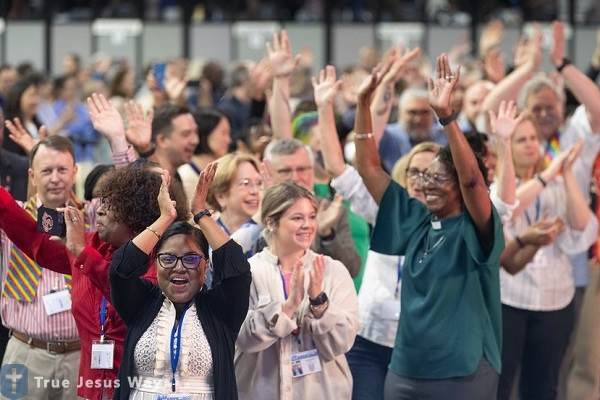
Compare Methodists and Presbyterians—key differences in beliefs, church structure, and approaches to grace, worship, and Scripture.
The Psalms give voice to raw emotion and faith, offering words when you have none and meeting you in God’s presence in Christian tradition.
Learn whom Muslims may not marry under Qur’an 4:23, including close kin, affinity and milk kinship, with permanent marriage barriers.
Predestination in the Bible means God, in His sovereignty, chose believers in Christ for salvation, purpose, and eternal life in context.
See what current Pew data shows about Christian population growth from 2010–2020, including regional shifts and changes in global share.