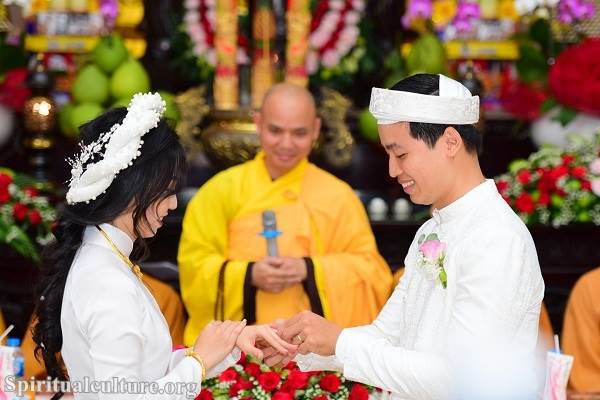
Can Buddhists Marry? Marriage, Relationships, Wedding Customs, and Buddhist Ethics
Learn whether Buddhists can marry, how Buddhist ethics applies to relationships, why monastics are celibate, and how wedding customs vary.

Learn whether Buddhists can marry, how Buddhist ethics applies to relationships, why monastics are celibate, and how wedding customs vary.

Explore how Christianity affects politics through state churches, public advocacy and voting, while separating influence from freedom.
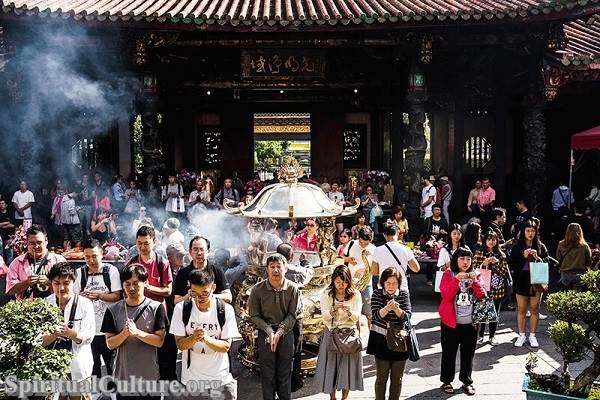
Learn about religion and spiritual culture in Taiwan, including major beliefs, sacred places, festivals, rituals, and living heritage.
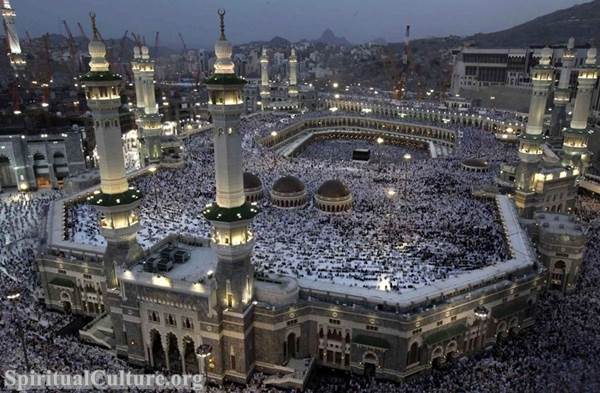
In Islam, the foundational beliefs and practices are traditionally expressed through the Five Pillars of Islam, rather than seven.

God the Father is personal, loving, and present—Creator, Redeemer, and ever near in every part of our lives within Christian belief.
Samsara is the cycle of suffering and change in Buddhism; understanding it is key to seeing life clearly and finding the path to freedom.
Christianity in Romania: Romanian Orthodoxy, Catholic and Protestant communities, communist-era change, worship, and religious diversity.
Learn about the book The Issue at Hand by Gil Fronsdal, including overview and central themes, key teachings, strengths and limitations.
Learn about Chabad calendar, including meaning and significance, biblical and rabbinic context, practice in Jewish belief and practice.
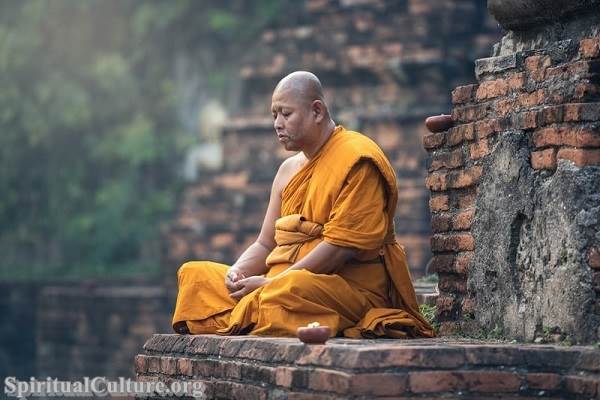
Spiritualculture.org shares with you the best quotes from Zen Buddhism and the meaning of those quotes through this article in context.
Develop gratitude by mindfully noticing life’s blessings—fostering joy, contentment, and a deeper connection to the present in Buddhism.
Learn about the book The Wheel of Life by His Holiness the Dalai Lama, including overview and central themes, strengths and limitations.