
Restricted and Initiatory Hindu Practices: Mantras, Lineage, Tantra, and Temple Rules
Learn why some Hindu practices require initiation or lineage, how mantra and temple rules work, and how to approach traditions respectfully.

Learn why some Hindu practices require initiation or lineage, how mantra and temple rules work, and how to approach traditions respectfully.
In times of distress over lost valuables, many people worldwide seek help from St. Anthony of Padua, the Patron Saint of Lost Things.
The relationship between Eastern Orthodoxy and Islam is a complex and multifaceted journey that spans over a millennium in lived practice.
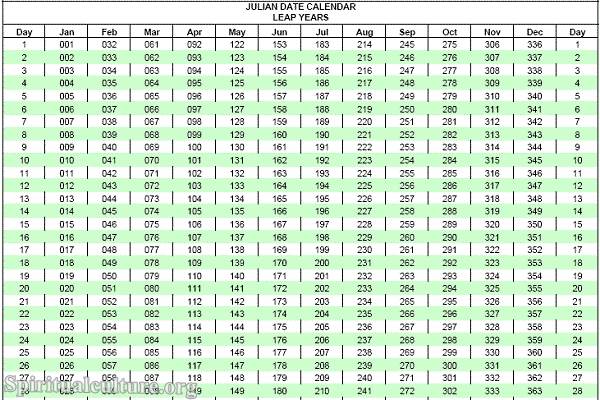
Julian date is a continuous count of days since noon on January 1, 4713 BC in the proleptic Julian calendar in historical context.

Learn about Henry VIII: The Monarch Who Paved the Way for Protestantism, including religious meaning, practice, continuing significance.
Learn how the Orthodox cross differs from other Christian symbols, covering religious meaning and its continuing religious significance.
Sola Gratia means we’re saved by God’s grace alone—not by effort, but by His radical, undeserved, and all-sufficient love in Christianity.
Justification by faith means God declares us righteous not by works but through faith in Jesus’ sacrifice and resurrection in Christianity.
In Christianity, “Teacher” points to Jesus—the one who speaks truth, transforms lives, and lovingly leads souls from darkness into light.
Mindfulness, or sati, is the Buddhist practice of present awareness—cutting through distraction to bring clarity, compassion, and freedom.
Learn the Mora Jātaka story of the golden peacock, its canonical setting, key themes, and Buddhist teaching on freedom from desire.
Jacob’s story shows God’s grace is bigger than your past—He transforms the broken, gives new purpose, and never walks away in Christianity.