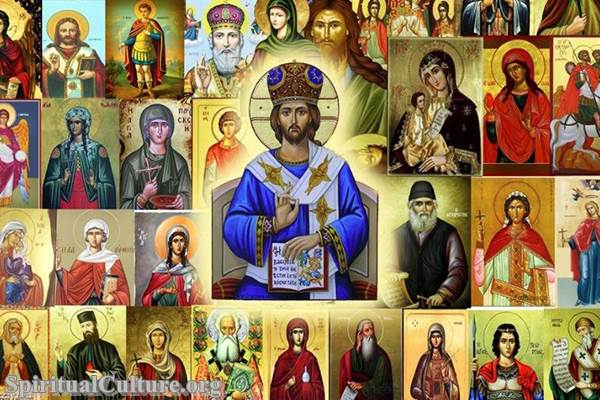
Patron Saints List and Meanings: Popular Saints and Their Patronages
Learn about Patron saints list and meanings, covering life and background, religious role, legacy with historical and religious context.

Learn about Patron saints list and meanings, covering life and background, religious role, legacy with historical and religious context.

The Apostles’ Creed is a timeless summary of core Christian beliefs, offering clarity, unity, and hope for every searching heart in context.
The Dhammapada offers clear, timeless verses that introduce the heart of the Buddha’s wisdom to seekers in a noisy, uncertain world.
The Middle Way is the Buddha’s path of balance—avoiding extremes of indulgence and denial to cultivate wisdom, compassion, and peace.
Not all doctrines are equally essential; some define the gospel, while others allow room for loving disagreement within the body of Christ.
The Twelve Apostles were ordinary men called by Jesus—showing God uses the willing, not the perfect, to change the world through Him.
Islam country is the term for countries where the majority of the population is Muslim. In countries where Islam is the largest religion.
A sacred companion for every soul—discover the Catholic belief in angels who guard, guide, and illuminate our spiritual path in context.
Learn how Buddhism evaluates serious wrongdoing through intention and karma, including grave actions described in early Buddhist traditions.
Constantine ended persecution, promoted Christianity in Rome, and shaped its role—core beliefs, however, stayed unchanged in religious life.

Before the Julian calendar, there were many different calendars used by various cultures and civilizations with historical context.
Cardinals are senior Catholic leaders who advise the pope, serve the Church, and elect the next successor of Saint Peter in Christianity.