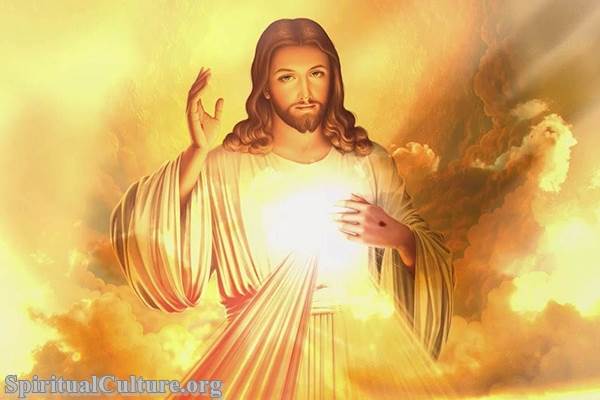
A Christian preacher is someone who publicly explains or proclaims the Christian message, usually through sermons, homilies, or other forms of teaching. The role exists across many Christian traditions, but the authority to preach and the training required differ from church to church.
Preaching in the New Testament
The New Testament describes apostles, missionaries, pastors, teachers, and other believers proclaiming the gospel. Christian preaching developed around scripture, the story of Jesus, moral instruction, worship, and the needs of local communities.
Who may preach?
In Catholic and Orthodox churches, preaching during the liturgy is normally connected with ordained ministry and church authority. Anglican, Lutheran, Reformed, Methodist, Baptist, Pentecostal, and independent churches have their own rules. In some communities only ordained ministers regularly preach; in others licensed lay preachers, elders, missionaries, or trained members may also do so.
What a sermon does
A sermon may interpret a biblical text, explain doctrine, address ethical questions, mark a feast or church season, or apply Christian teaching to communal life. Some traditions use a fixed lectionary, while others allow the preacher to choose a biblical passage or topic.
Preacher, pastor, and evangelist
These terms can overlap but are not identical. A pastor has ongoing responsibility for a congregation. An evangelist focuses on announcing the gospel, often to people outside a congregation. A preacher is defined by the act of preaching and may or may not also be a pastor or evangelist.
Training and accountability
Many churches expect preachers to study scripture, theology, church history, and pastoral practice. Seminaries, denominational programs, mentoring, licensing, and ordination are common forms of preparation. Because preaching can shape belief and behavior, churches also develop standards for doctrine, conduct, and accountability.
Preaching styles
Christian preaching ranges from short liturgical homilies to extended expository sermons, thematic sermons, revival preaching, and teaching series. Some preachers work verse by verse through a biblical book; others organize a sermon around a doctrine, feast, ethical question, or pastoral concern. Style alone does not define a church’s theology.
Limits of the role
Being a gifted public speaker does not by itself make someone an authorized preacher in every church. Many traditions distinguish charisma from ecclesial responsibility and expect preachers to be accountable to a bishop, denomination, local congregation, or recognized ministry structure.