
What Is the Teaching of Contentment?
Santutthi, or contentment, is a Buddhist practice of deep satisfaction with the present, freeing us from craving and supporting inner peace.

Santutthi, or contentment, is a Buddhist practice of deep satisfaction with the present, freeing us from craving and supporting inner peace.
Learn about the Majjhima Nikaya: Middle-Length Discourses, Profound Insights, including overview and central themes, practical insights.
The Cross, a symbol of suffering and hope, reveals God’s love, mercy, and a personal invitation to new life in Christ in Christian practice.
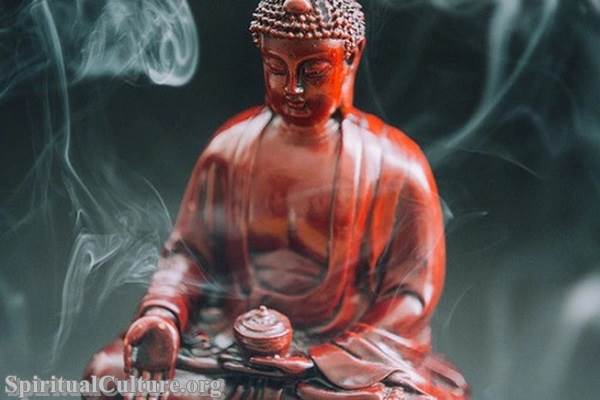
Learn the Buddha’s core teachings through canonical sources: Four Noble Truths, Eightfold Path, dependent origination, not-self and ethics.
Learn about the life and papacy of Pope Pius VIII, his contributions to the Catholic Church, and his influence on religious history.
Learn about major Hindu deities, their roles, symbols, scriptural associations, devotional traditions, and place in Hindu religious life.
Learn about powerful prayers to find lost items. Invoke divine intervention and guidance to recover what's missing in your life in context.
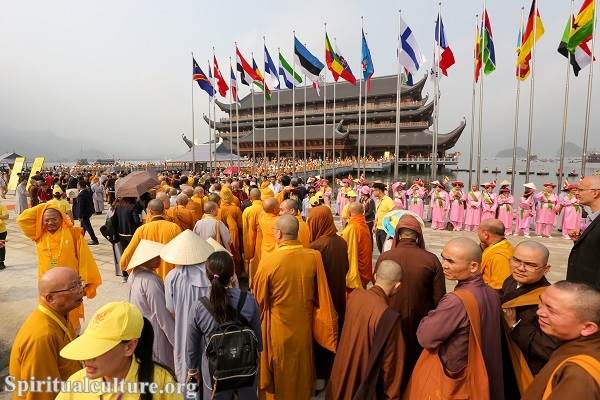
Buddhism is practiced in many countries around the world, but it originated in India and spread throughout Asia in Buddhist practice.
Prayer for fear is a powerful way to invite God’s peace into your heart—an anchor of hope when life feels dark, heavy, and uncertain.

Learn why a single religion cannot be proven oldest, how prehistoric ritual differs from living traditions, and why Hinduism is often cited.
Learn about Patriarch John X, the Greek Orthodox Patriarchate of Antioch, its Holy Synod, ancient roots and current leadership today.

Fearing the Lord means honoring Him with deep reverence, awe, and obedience, recognizing His holiness and supreme authority in Christianity.