
How Does Buddhism Define True Freedom?
True freedom in Buddhism isn’t lawlessness — it’s awakening from delusion, craving, and fear to live with clarity and peace in context.
Learn about Buddhism through the Buddha’s teachings, major traditions, sacred texts, meditation, monastic life, ethics, festivals, teachers, and communities worldwide.
True freedom in Buddhism isn’t lawlessness — it’s awakening from delusion, craving, and fear to live with clarity and peace in context.
Learn about the book The Path of the Buddha by Renuka Singh, covering overview and central themes, key teachings, relevance for readers.
Learn about Norman Fischer’s Training in Compassion: A Review of Lojong Teachings, including overview and central themes, key teachings.
"Buddhism Plain and Simple" offers clear, practical insight into the Buddha’s teachings, helping modern seekers find peace and clarity.
Buddhist quotes remind us we are not our thoughts but the awareness behind them—calm, present, and untouched by the chaos of life.
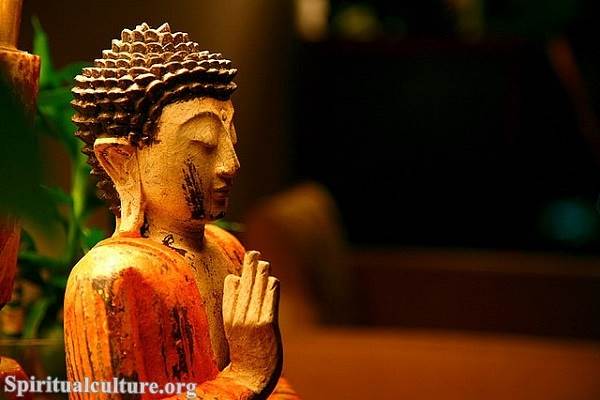
The Three Poisons—greed, hatred, and ignorance—are the root causes of suffering and the cycle of rebirth in Buddhism in Buddhist practice.
How Buddhism journeyed the Silk Road—shaping cultures, transforming lives, and taking root across ancient trade routes in Buddhist practice.
Buddhist meditation trains the mind through ethics, focus, and insight—offering steadiness amid life’s noise and a path to inner freedom.
The Buddha taught that the self is not fixed but a mental construct; understanding anattā frees us from ego and brings true inner peace.
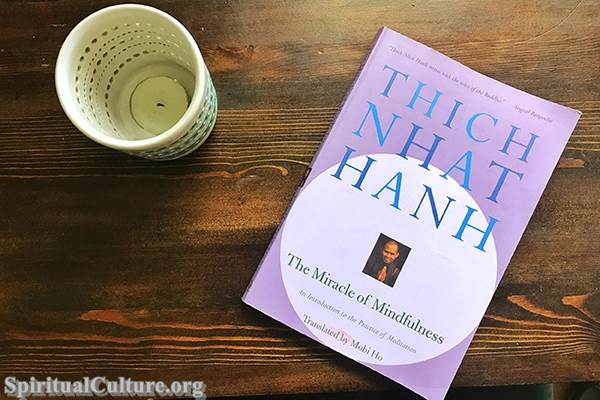
Spiritualculture.org shares 10 Buddhist books for beginners for readers who are just starting to learn about Buddhism for Buddhist practice.
Buddhist quotes offer clarity amid mental chaos—guiding us from confusion to insight, and from restless thought to wise, awakened living.
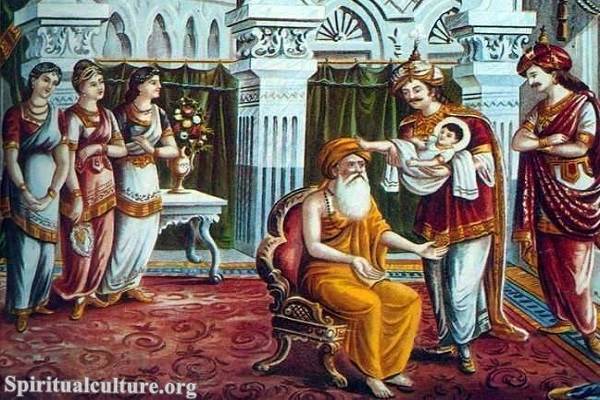
King Suddhodana was a king of the Shakya clan who ruled in the region of present-day Nepal during the 6th century BCE in Buddhist practice.
All articles have been displayed.