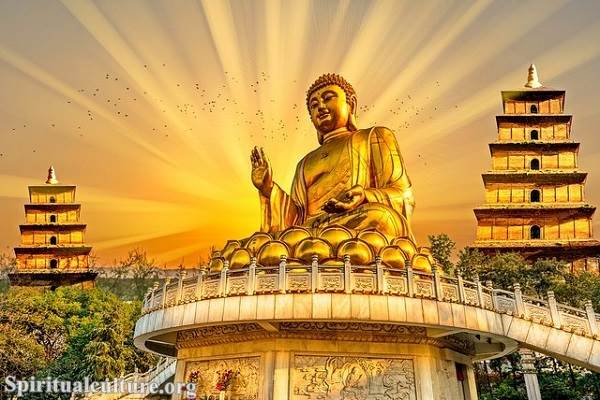
Common questions about Buddhism
There are many questions about Buddhism that many people are interested in sharing by Spiritualculture.org in this article.
Learn about Buddhism: its history, beliefs, teachings, traditions, meditation, monastic life, and Buddhist communities. Stay updated with Buddhism news and developments around the world.
There are many questions about Buddhism that many people are interested in sharing by Spiritualculture.org in this article.

Silence, when embraced mindfully, deepens awareness, calms the mind, and nurtures inner growth on the path to awakening.
In Buddhism, generosity (dāna) is the first perfection—an open-hearted practice that brings freedom, connection, and everyday transformation.
Meditation begins with a simple pause and presence—open to anyone, it offers calm, clarity, and a new way of experiencing life.
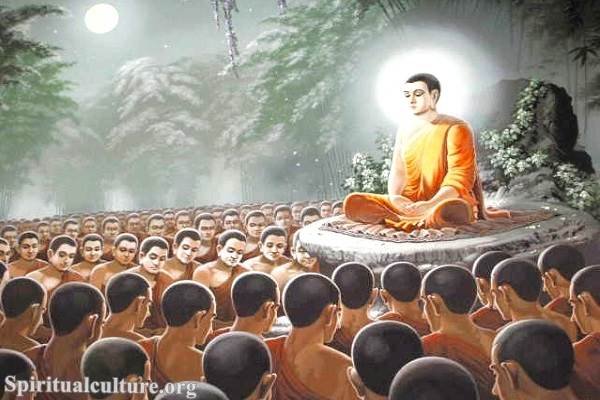
Buddhism is not directly derived from Hinduism. Although Buddhism emerged in ancient India, it is a religion that has evolved with its own beliefs, practices, and philosophical views.
Mindfulness is important in Buddhism because it anchors us in the present, cultivates clarity, and leads to wisdom and liberation.
The story of The Rich Merchant Who Lost Everything reveals that true wealth isn’t what we own, but how we awaken through loss and transformation.
True freedom in Buddhism isn’t lawlessness — it’s awakening from delusion, craving, and fear to live with clarity and peace.
The Path of the Buddha, edited by Renuka Singh, offers clear, essential teachings from revered masters—an accessible guide for any Dharma seeker.
Are you seeking a spiritual path that meets you in the middle of your busy, messy, beautiful life? Perhaps you’ve tried mindfulness or read books on compassion, but something still feels incomplete — like you’re yearning not just for peace, but for transformation. If that resonates, Training in Compassion: Zen Teachings on the Practice of […]
"Buddhism Plain and Simple" offers clear, practical insight into the Buddha’s teachings, helping modern seekers find peace and clarity.
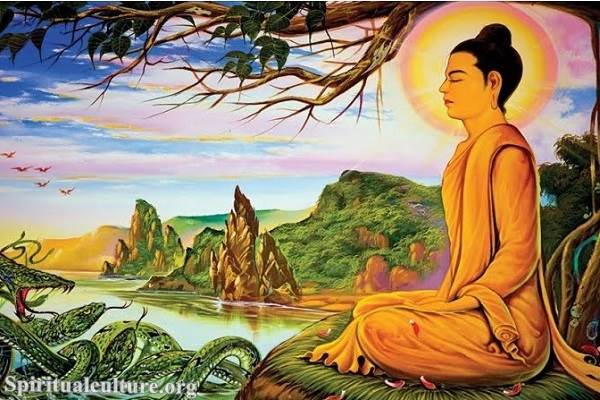
In Buddhism, the law of karma refers to the idea that actions have consequences and that our current circumstances and experiences result from actions taken in the past.
All articles have been displayed.