
Eastern Orthodoxy and Its Relationship with Islam Throughout History
The relationship between Eastern Orthodoxy and Islam is a complex and multifaceted journey that spans over a millennium in lived practice.
Learn about Christianity through its history, Bible, central beliefs, churches, denominations, worship, sacred figures, moral teachings, festivals, and living traditions worldwide.
The relationship between Eastern Orthodoxy and Islam is a complex and multifaceted journey that spans over a millennium in lived practice.
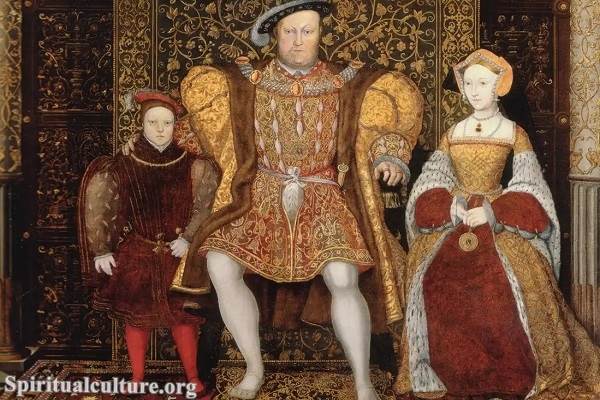
Learn about Henry VIII: The Monarch Who Paved the Way for Protestantism, including religious meaning, practice, continuing significance.
Learn how the Orthodox cross differs from other Christian symbols, covering religious meaning and its continuing religious significance.
Sola Gratia means we’re saved by God’s grace alone—not by effort, but by His radical, undeserved, and all-sufficient love in Christianity.
Justification by faith means God declares us righteous not by works but through faith in Jesus’ sacrifice and resurrection in Christianity.
In Christianity, “Teacher” points to Jesus—the one who speaks truth, transforms lives, and lovingly leads souls from darkness into light.
Jacob’s story shows God’s grace is bigger than your past—He transforms the broken, gives new purpose, and never walks away in Christianity.
St. John Chrysostom, the “Golden Mouth,” preached with bold truth and love for Christ, calling hearts to repentance and holiness in context.
Learn how Protestant worship centers on Scripture, preaching, prayer, music, sacraments, and congregational participation across traditions.
Theology helps us truly know God; it’s not just for scholars, but vital for deepening faith and transforming our walk with Christ.
Learn about Sacraments in Eastern Orthodoxy: A Guide to Holy Mysteries, covering beliefs and theology, meaning, key teachings, practice.
The List of Catholic Popes shows God’s faithfulness through a line of leaders from Peter to today, despite human flaws in Catholic practice.
All articles have been displayed.