
The Spiritual Meaning of Holy Week in Eastern Orthodoxy
Learn about the Spiritual Meaning of Holy Week in Eastern Orthodoxy, including practice and religious meaning, meaning and significance.
Learn about religious festivals and holy days through their origins, calendars, rituals, sacred meanings, community celebrations, regional variations, and living customs.
Learn about the Spiritual Meaning of Holy Week in Eastern Orthodoxy, including practice and religious meaning, meaning and significance.
Learn the Orthodox Church’s Twelve Great Feasts, their place in the liturgical year, and the biblical events and figures they commemorate.
Learn how religion shapes national holidays, turning calendars into sacred rhythms of memory, meaning, and faith within religious tradition.
Explore the rich history and traditions of Hanukkah, a significant holiday in Judaism. Learn about the Menorah, dreidel, and more.
Learn whether Buddhists celebrate Christmas, why practices vary, and how cultural participation can differ from Christian observance.
Learn about Pentecost: The Day the Holy Spirit Came, including customs and observances, origins, beliefs and theology, modern relevance.
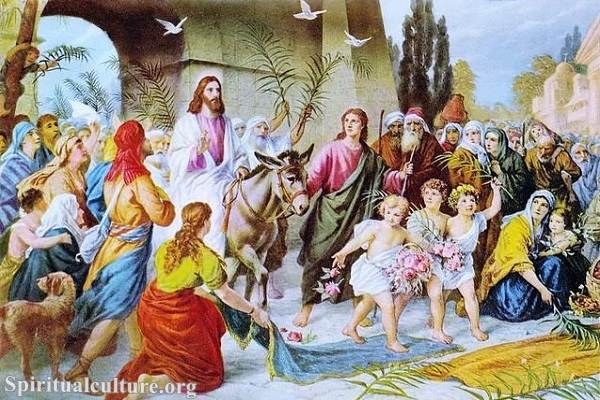
Palm Sunday marks Jesus’ entry into Jerusalem—celebrating Him as King and beginning Holy Week, a journey of sacrifice and salvation.
Easter is the celebration of Jesus’ resurrection—central to Christian faith, offering eternal hope, salvation, and life-changing power.
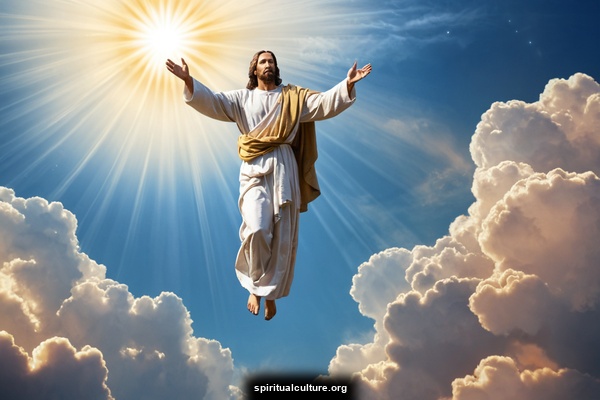
Ascension Day, 40 days after Easter, marks Jesus' ascension, symbolizing hope, renewal, and the bridge between Easter and Pentecost.
Christmas marks when God entered the world in love and humility—bringing hope, light, and peace to a broken, waiting world in Christianity.
A sacred discipline of body and soul — Ramadan fasting renews hearts, awakens gratitude, and deepens spiritual awareness in Muslim practice.
Passover, rooted in deliverance, points to Christ—the Lamb whose sacrifice fulfills God’s promise of ultimate rescue and redemption.
All articles have been displayed.