
Easter: A Celebration of Faith, Hope, and Renewal
Easter, marking Jesus Christ's resurrection, is a cornerstone of Christianity, celebrated with rich traditions and global customs.
Learn about religious festivals and holy days through their origins, calendars, rituals, sacred meanings, community celebrations, regional variations, and living customs.
Easter, marking Jesus Christ's resurrection, is a cornerstone of Christianity, celebrated with rich traditions and global customs.

Learn the meaning of Eid al-Fitr, including Ramadan’s end, zakat al-Fitr, Eid prayer, takbir, festive meals, charity and family traditions.
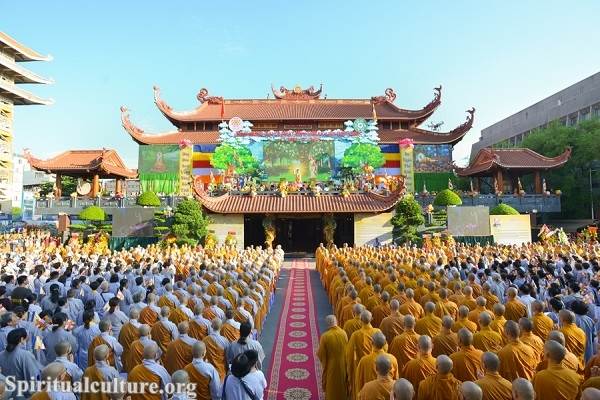
Learn about major Buddhist holidays and festivals, their meanings, common observances, and how sacred days vary across Buddhist traditions.

All Saints' Day, on November 1, honors all saints, known and unknown, inspiring Christians to live with faith and virtue in Catholicism.
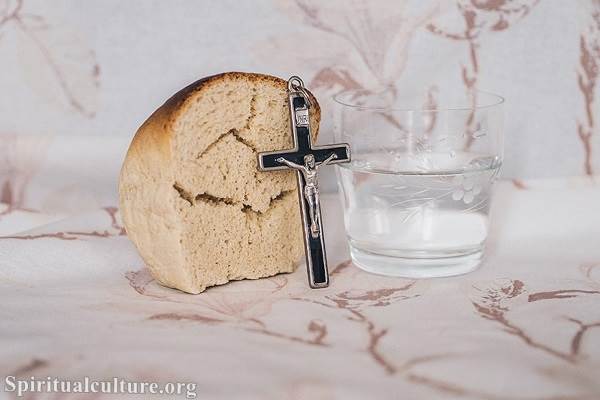
Good Friday remembers Christ’s sacrificial death—turning suffering into redemption and revealing love that conquered sin and death.

Martin Luther King Day, a U.S. federal holiday, honors Dr. Martin Luther King Jr., a key civil rights leader in Protestant tradition.
A sacred season of sacrifice and renewal — why Catholics embrace fasting to draw closer to Christ and rediscover the heart’s deepest hunger.
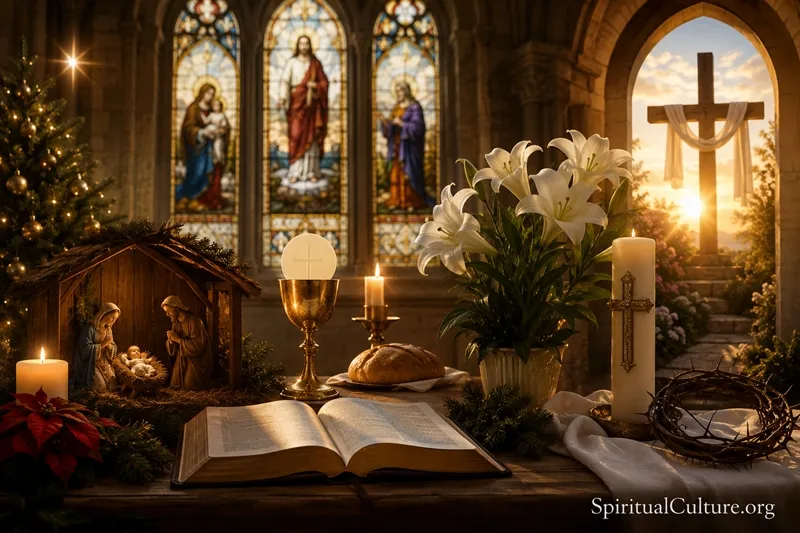
Christian Holidays trace a sacred rhythm of remembrance, worship, joy, and hope through the saving story of Jesus Christ in religious life.
Learn about Vesak in Buddhism, its links to the Buddha’s life, rituals, temple observances, merit-making, and celebrations around the world.
Rosh Hashanah, often referred to as the Jewish New Year, is one of the most sacred and significant holidays in Judaism in Jewish practice.

All Souls' Day, on November 2, honors departed souls, with prayers especially for those in Purgatory, reflecting deep spiritual traditions.
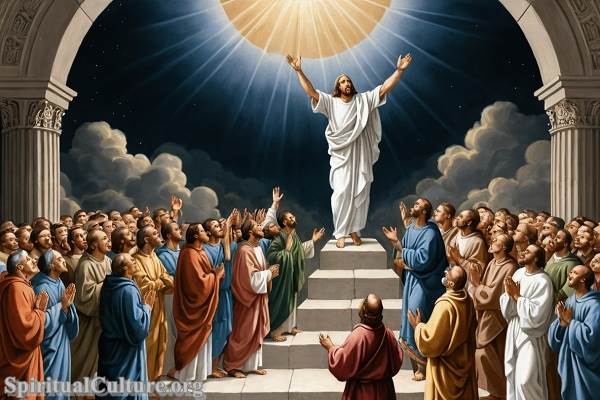
Ascension Day, celebrated 40 days after Easter, marks Jesus' ascension, completing his mission and promising his eventual return in context.
All articles have been displayed.