
How the Prophet Muhammad Taught Compassion
Compassion transcends all boundaries. Prophet Muhammad embodied it as a living practice, inspiring mercy, patience, and kindness worldwide.
Learn about Islam through its history, Quran, central beliefs, worship, law, ethics, sacred places, festivals, schools of thought, and Muslim communities worldwide.
Compassion transcends all boundaries. Prophet Muhammad embodied it as a living practice, inspiring mercy, patience, and kindness worldwide.
Honoring the Earth as a sacred trust — how Islam teaches balance, responsibility, and reverence for creation in Islamic tradition.
Embracing surrender: Discover the spiritual, personal, and communal meaning of submission in Islam with Islamic historical context.
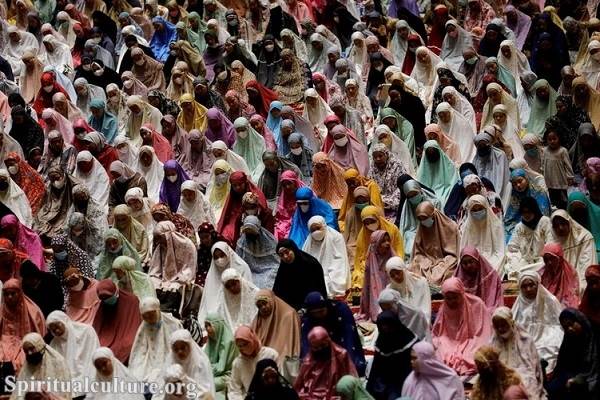
Muslims believe in one God (Allah) and follow the teachings of the prophet Muhammad as recorded in the holy book of Islam, the Quran.
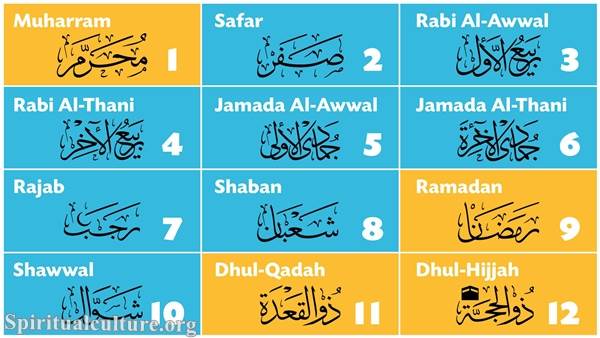
The Islamic calendar, also known as the Hijri calendar, is a lunar calendar used to date events in many Muslim countries in Muslim practice.
Islam, one of the world's major religions, has its roots deeply embedded in the Middle East, where it began over fourteen centuries ago.
In Islam, God is known as Allah and is believed to be the one and only God and the creator of the universe with Islamic historical context.

Sacred guidelines for what is lawful — halal is more than food; it's a path of spiritual integrity and divine mindfulness in Islam.
The Muslim religion, also known as Islam, is one of the world's most widely practiced religions, with over 1.8 billion followers globally.
See the 10 countries with the largest Muslim populations in 2020 using Pew data, with population shares, methodology and global context.
A sacred model of collective decision-making grounded in justice, wisdom, and mutual respect in Islamic tradition in Muslim practice.
A sacred discipline of body and soul — Ramadan fasting renews hearts, awakens gratitude, and deepens spiritual awareness in Muslim practice.
All articles have been displayed.