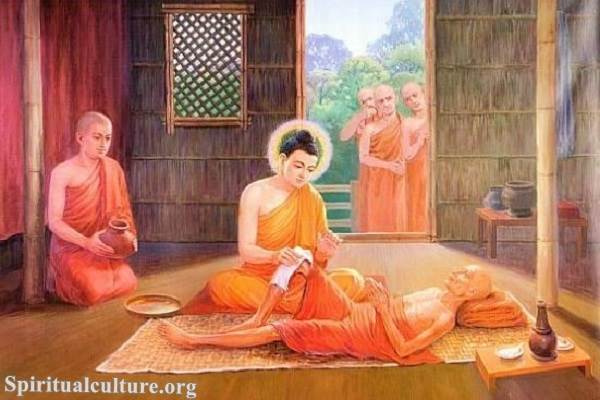
Buddhist Beliefs About Death, Rebirth, and the Afterlife
Buddhists believe death is a natural part of life and a universal experience that all beings must face.
Buddhists believe death is a natural part of life and a universal experience that all beings must face.

Worship is more than music — it’s the soul’s response to God’s glory, love, and the wonder of His transforming presence in Christianity.
Jesus spoke of the end to prepare us, not scare us—His return brings hope amid chaos, not fear amid darkness within religious tradition.
Liberation (Nibbāna) is the end of craving and suffering—a state of unshakable peace, freedom, and awakening for Buddhist practice.
Rosh Hashanah, often referred to as the Jewish New Year, is one of the most sacred and significant holidays in Judaism in Jewish practice.
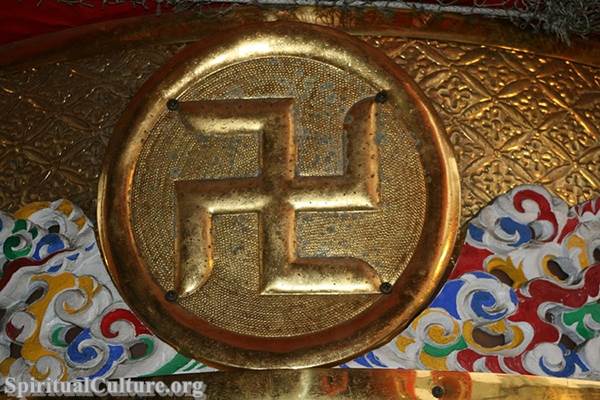
The Manji symbol, also known as a swastika, is an ancient symbol that has been used for thousands of years in many cultures and religions.
Right Speech (Sammā Vācā) teaches us to speak truthfully, kindly, and wisely—using words to foster peace, not harm, in daily life.
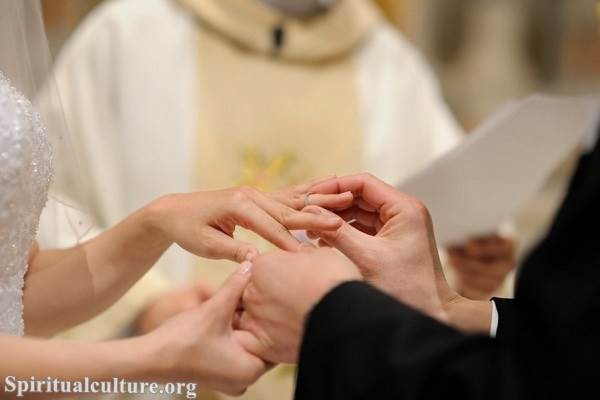
The Catholic Church defines marriage as a covenant or partnership of life between a man and a woman. And Catholic marriage has rules.
A sacred journey that unites hearts, humbles souls, and brings believers together beyond borders and across time in Islamic tradition.
Learn about Catholic Cardinal: The Meaning in Catholicism, covering history, cultural context and its continuing religious significance.
Jesus is in heaven, seated at God’s right hand, ruling in glory and interceding for us as our risen Savior and High Priest in context.
Saints are heroes of faith—martyrs, mystics, missionaries—whose lives show God’s power to transform ordinary people in Christianity.