
What Is Anatta (No-Self)?
Anatta (No-Self) in Buddhism teaches that there is no unchanging self—freeing us from attachment and opening the path to liberation.
Anatta (No-Self) in Buddhism teaches that there is no unchanging self—freeing us from attachment and opening the path to liberation.
Learn about Revival Movements in Church History, covering history and origins, scriptural context, modern relevance, biblical background.
The First Council of Nicaea affirmed Jesus’ divinity, condemned Arianism, and produced the Nicene Creed to unite Christian belief.
The daily practices of a lay Buddhist include mindfulness, ethical living, meditation, and honoring the Buddha’s teachings in everyday life.
Learn about the Heart Sutra Explained: Wisdom in Just a Few Lines, including key teachings, relevance for readers in Buddhist tradition.
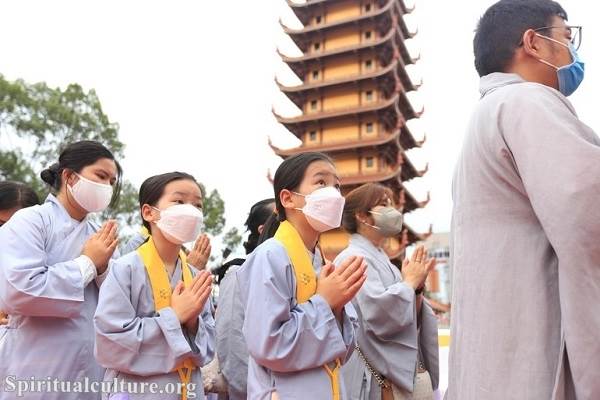
Learn what Buddhists wear, from ordinary lay clothing to monks’ and nuns’ robes, and how colors and styles vary across Buddhist cultures.
Learn about Pope Paul VI’s life and legacy, his contributions to the Catholic Church, and his significant role in Vatican II in context.
The Julian calendar was proposed by Julius Caesar in 46 BC as a reform of the earlier Roman calendar with historical and religious context.
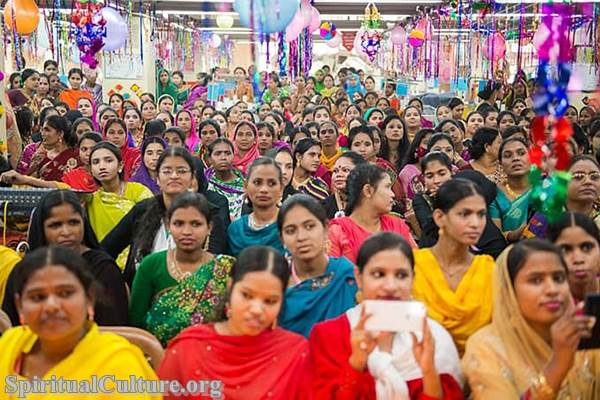
Learn about religion and spiritual culture in Bangladesh, including major beliefs, sacred places, festivals, rituals, and living heritage.
Most historians agree Jesus existed in 1st-century Judea, based on both Christian and non-Christian ancient sources with historical context.
Buddhist wisdom shows letting go brings peace, while giving up stems from despair—distinguishing the two can lead to true freedom.
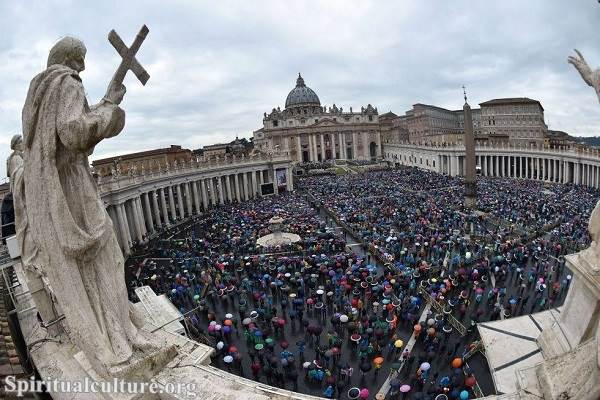
Learn why the Protestant Reformation spread successfully, including religious, political, social, technological, and institutional factors.