Iran’s spiritual culture is strongly shaped by Twelver Shia Islam, while Zoroastrian, Christian, Jewish, Sunni Muslim, Sufi, and other traditions remain part of the country’s religious history. Understanding Iran through religion and sacred heritage gives a clearer picture than treating culture only as food, tourism, or national symbols.
Religious traditions and everyday practice
Shia devotion includes mosque worship, pilgrimage, mourning rituals for Imam Husayn, religious scholarship, shrine visitation, and a rich tradition of poetry and sacred art. Mashhad and Qom are major centers of pilgrimage and learning.
Sacred places and religious heritage
Zoroastrian communities preserve fire temples and ritual traditions with very ancient roots. Armenian and Assyrian Christians maintain churches and monasteries, while Iran also has one of the Middle East’s oldest Jewish communities. Sunni Muslims are significant in several ethnic and border regions.
Festivals, rituals, and community life
Muharram and Ashura are especially visible Shia observances. Ramadan, the Eids, pilgrimage seasons, Christian feasts, and Zoroastrian festivals form other religious calendars. Nowruz has pre-Islamic roots and is celebrated widely as a cultural new year.
Living spiritual culture
Iran’s spiritual culture is layered and historically deep. State institutions are Shia Islamic, but the country’s sacred heritage also includes communities and traditions that long predate the modern state.
Religious diversity in context
Twelver Shia Islam is central to Iran’s state institutions and public religious calendar, but Iranian religious history is considerably broader. Sunni Muslim communities are important in several regions, while Zoroastrians, Armenian and Assyrian Christians, Jews, Bahá’ís, Sufi orders, and other communities form part of the country’s long religious landscape. Their legal and social circumstances differ significantly.
Persian poetry, philosophy, shrine culture, mourning ritual, and mystical traditions have shaped religious imagination beyond formal institutional boundaries. At the same time, state religion should not be assumed to represent the personal practice of every Iranian.
Festivals, pilgrimage, and sacred memory
Muharram and Ashura are especially important in Shia devotional life, while Ramadan, Eid, pilgrimage to shrines in Mashhad and Qom, and local religious commemorations structure the year. Nowruz is a major cultural spring festival with pre-Islamic roots and is celebrated across religious and nonreligious households.
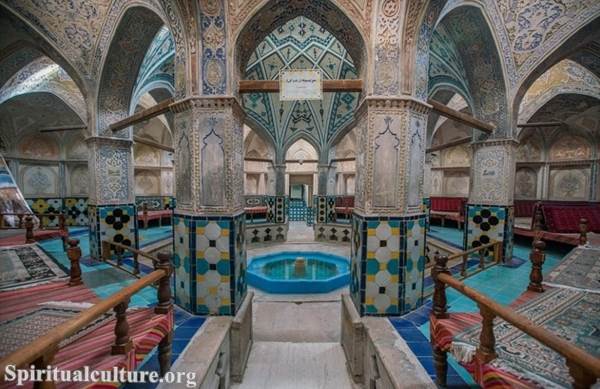
Zoroastrian fire temples, Armenian churches, synagogues, Sufi sites, historic mosques, and Shia shrines show the depth of Iran’s religious heritage. Preservation and interpretation should distinguish living worship from archaeological or national heritage.
Historical change and regional variation
Iran’s spiritual culture combines Twelver Shia institutions with centuries of Persian religious, poetic, philosophical, and devotional traditions. Zoroastrian, Jewish, Christian, Sunni, and Sufi communities add older and continuing layers, while modern state structures strongly shape public religious life.
Reading Iran’s spiritual culture carefully
State religion and lived religion should not be treated as the same thing. Shia pilgrimage and mourning, Sufi practice, Zoroastrian ritual, Armenian and Assyrian Christianity, Jewish community life, Sunni traditions, and widely shared cultural observances such as Nowruz occupy different social and historical spaces.