Julian calendar
The Julian calendar was introduced by Julius Caesar in 45 BCE and was the predominant calendar in Europe for over 1,500 years in context.
The Julian calendar was introduced by Julius Caesar in 45 BCE and was the predominant calendar in Europe for over 1,500 years in context.

Rebirth in Buddhism is the continual cycle of life shaped by karma, offering chances for growth, learning, and liberation in lived practice.
Learn about why Jesus’ command to make disciples still defines the mission, identity, and hope of modern Christianity today in context.
Explore the origins and development of Early Christianity and its teachings, practices, and influence on modern religion and society.
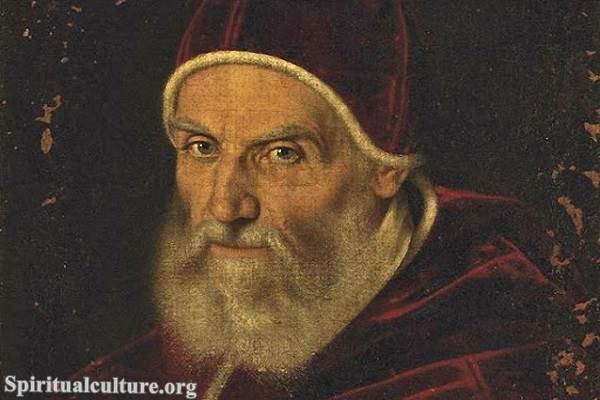
Pope Gregory XIII (1502-1585) was the head of the Catholic Church and the ruler of the Papal States from 1572 until his death in 1585.

Learn about Buddhist ethical restraints and conduct, covering meaning, textual background, practice in religious and historical context.
Right Mindfulness is clear, wise awareness rooted in the present moment—guiding us toward insight and freedom from suffering, not just calm.
Ecumenism seeks true unity in Christ’s Body—not ignoring truth, but reflecting Jesus’ prayer for oneness grounded in love and faith.
God calls us to live generously with courage and faith, reclaiming joy in giving despite a culture obsessed with self-preservation.
Learn why Buddhist monks and nuns shave their heads, what tonsure symbolizes, and how it relates to renunciation, discipline, and identity.
The top 10 countries with the largest Christian populations reveal how faith in Jesus shapes nations, lives, and hearts around the world.
Saint Francis of Assisi is an iconic figure in the realm of Catholicism, embodying the spirit of humility, simplicity, and devotion.