
Who invented the Gregorian calendar?
Pope Gregory XIII revamped the Gregorian calendar in October 1582, replacing the Julian calendar used since 45 BCE in historical context.
Pope Gregory XIII revamped the Gregorian calendar in October 1582, replacing the Julian calendar used since 45 BCE in historical context.
Learn about the Anguttara Nikaya: Gradual Steps Toward Awakening, covering key teachings, practical insights, strengths and limitations.
Learn how Buddhist mindfulness, compassion, and teachings on suffering may support emotional well-being alongside trauma-informed care.
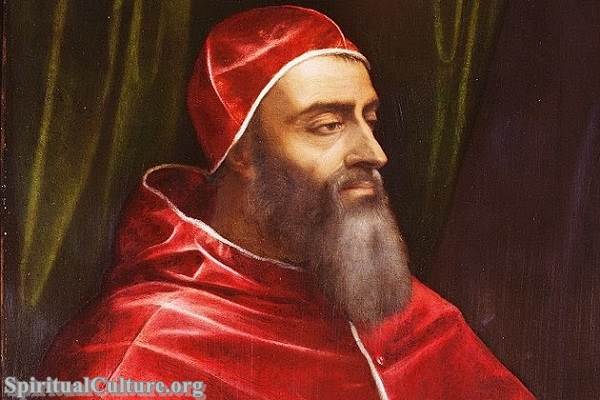
Explore Pope Clement VII’s life and legacy, his role in the Catholic Church, and his significant influence during the Renaissance.
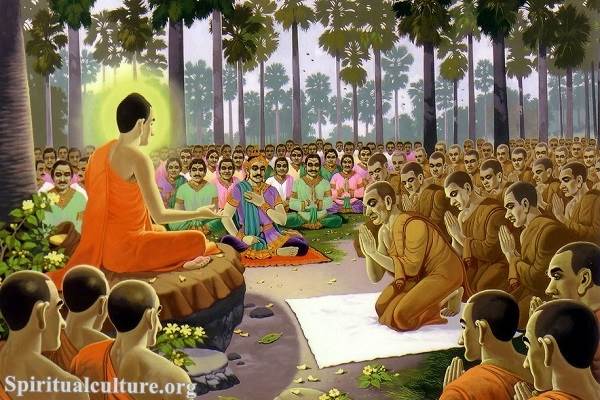
Learn whether Buddhism has a Golden Rule, how reciprocity appears in Buddhist ethics, and how compassion and non-harm guide conduct.
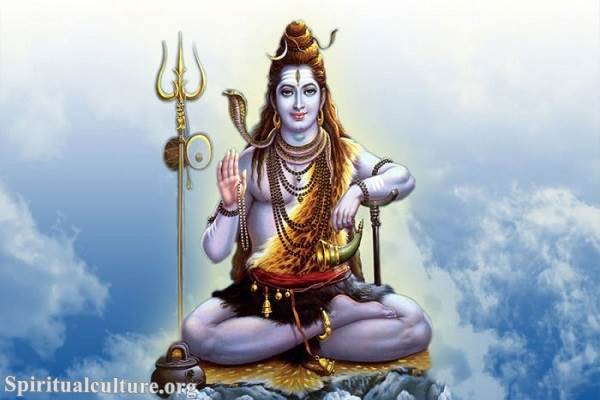
Shiva is a major deity in Hinduism. Shiva is one of the three main Hindu gods, along with the gods Brahma and Vishnu in Hindu tradition.
Rebirth reimagined — how modern Buddhists understand the timeless cycle of life, death, and spiritual becoming in Buddhist tradition.
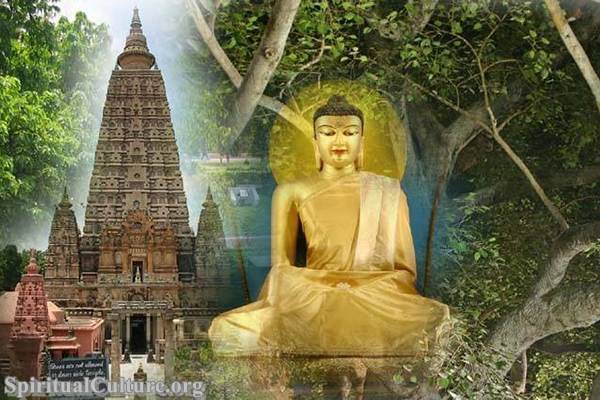
Buddhism is a religion that originated in ancient India, enlightened by Siddhartha Gautama, also known as Buddha, in the 5th century BC.
Most famous popes left lasting impact through leadership that shaped the Catholic Church over its 2000-year history in Catholic tradition.
Learn about Pope Clement XII: The Builder of Faith and Beauty in the 18th Century, covering life and background, religious role, legacy.

Sacred guidelines for what is lawful — halal is more than food; it’s a path of spiritual integrity and divine mindfulness in Islam.
Can salvation be lost once received, or is it eternally secure? Discover what the Bible teaches about the security of your salvation.