Saint Dymphna is venerated in Catholic tradition as a martyr and is widely associated with patronage related to mental illness and emotional distress. Much of her biography comes from later hagiographic tradition rather than contemporary historical records, so her story is best presented as sacred tradition rather than fully documented history.
In the complex mix of Catholicism, the lives of the saints serve as a source of inspiration and guidance for the faithful. Saint Dymphna holds a unique place among these revered figures, embodying compassion, healing, and resilience. Known as the patroness of those suffering from mental and neurological disorders, St. Dymphna’s story reflects the faith’s deep commitment to the well-being of all, particularly the most vulnerable.
Saint Dymphna, a Source of hope
According to later Catholic hagiographic tradition, Dymphna was an Irish Christian who fled to Geel after her widowed father sought to marry her. The story places her in the early medieval period, but the surviving narrative was written centuries later and should be read as a traditional saint’s life rather than a contemporary biography.
Later tradition connects Dymphna with care for the sick and with Geel’s long history of community-based care for people experiencing mental illness. The hagiographic story says that her father eventually found and killed her after she again refused him, leading to her veneration as a martyr.
Saint Dymphna in Catholicism
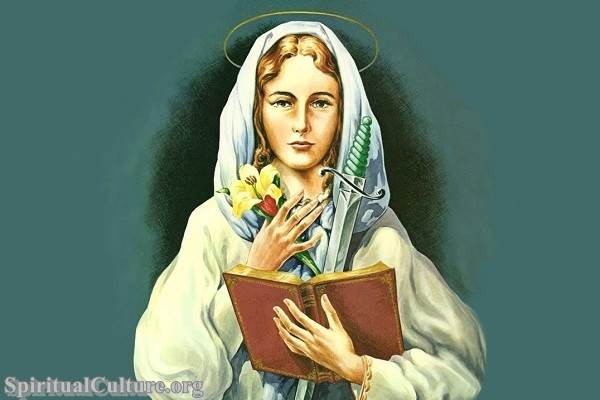
The memory of Saint Dymphna has been preserved and venerated in Catholicism for her courage, kindness, and unwavering faith. She is often depicted with a sword, symbolizing her martyrdom, and a lamp, representing her role as a source of hope for those in darkness.
St. Dymphna’s legacy lives on in the Catholic Church‘s ongoing commitment to mental health. She is the patron saint of those suffering from anxiety, depression, epilepsy, and other neurological conditions. Her feast day, May 15, is an opportunity for the Catholic community to raise awareness about mental health issues, to pray for those affected, and to reaffirm the Church’s commitment to their care and support.
In Geel, Dymphna’s legacy has left a lasting impact. The town is known for its progressive approach to mental health care, reflecting Dymphna’s own compassionate care for the mentally ill. For centuries, the town’s inhabitants have welcomed mentally ill individuals into their homes as boarders—a practice believed to have its roots in Dymphna’s time.
St. Dymphna’s impact extends beyond the confines of the Catholic faith. Her story resonates with many who struggle with mental health issues, regardless of their religious beliefs. Many find solace in her tale of resilience, her compassionate care for the sick and vulnerable, and her ultimate sacrifice for her principles.
Saint Dymphna: A Symbol of Hope and Healing
The story of St. Dymphna highlights the Catholic Church’s commitment to the well-being of all its members, particularly those who struggle with mental health issues. Her legacy reflects the power of faith, compassion, and resilience in the face of adversity.
In the end, the story of Saint Dymphna is not just about tragedy but also about hope and healing. It highlights the power of kindness and compassion and the significant impact they can have on those who are suffering. In the Catholic tradition, she is a source of guidance for those navigating the darkness of mental illness, offering a message of hope that recovery is possible and that no one is alone in their struggle.
In an age where mental health issues are becoming increasingly prevalent, the story of Saint Dymphna is a clear reminder of the importance of compassion, understanding, and support.