Saudi Arabia’s major annual seasons include Islamic worship, pilgrimage, national commemorations, and heritage festivals. Spiritual Culture separates those categories instead of ranking them together.
1. Ramadan
Ramadan is a sacred month of fasting, prayer, Qur’an recitation, charity, and family life rather than a festival in the narrow sense.
2. Eid al-Fitr
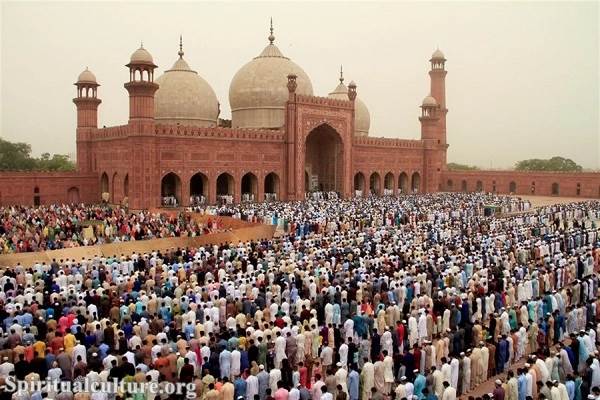
The end of Ramadan is celebrated through prayer, family visits, charity, hospitality, and festive food.
3. Hajj season
Hajj brings pilgrims from around the world to Makkah and surrounding ritual sites. It is a pilgrimage obligation, not a cultural festival.
4. Eid al-Adha
Eid al-Adha takes place during the Hajj season and is marked by prayer, sacrifice traditions, charity, and family gathering.
5. Saudi Founding Day
The civic commemoration focuses on the historical roots of the Saudi state and uses public programs, clothing, performance, and heritage interpretation.
6. Saudi National Day
National Day commemorates unification and is marked by civic ceremonies, flags, performances, and public celebration.
7. King Abdulaziz Camel Festival
Camel culture, breeding, competition, market activity, and heritage identity come together in this major event.
8. Taif rose season
Taif’s rose cultivation and associated practices are recognized by UNESCO and are celebrated through seasonal heritage and local economic activity.
9. Buraidah date season
Date production, varieties, markets, agriculture, and oasis knowledge become highly visible during harvest-season events.
10. Historic and regional heritage festivals
Events in places such as AlUla, Jeddah, and regional heritage centers combine performance, craft, food, archaeology, and local memory; formats can change over time.
Practice and interpretation
Religious observance, pilgrimage, civic commemoration, and tourism programming should not be treated as one type of event. Their meanings and authorities differ.
Sacred seasons are not tourism products
Ramadan, Hajj, and the two Eids belong to Islamic religious life. Heritage programming may take place around the same periods, but pilgrimage rites, fasting, prayer, and charity should not be described merely as festival attractions. This distinction is especially important in Saudi Arabia because Makkah and Madinah have unique sacred status for Muslims worldwide.