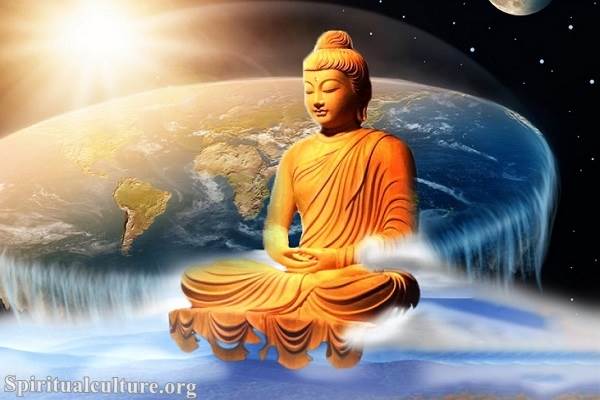
Buddhists may worship or practice in temples, monasteries, meditation centers, home shrines, pilgrimage sites, or simply in a quiet place suitable for reflection. There is no single building type used by all Buddhists. Practice varies across Theravāda, Mahāyāna, Vajrayāna, and local traditions, and many Buddhists combine communal ceremonies with private meditation or devotional practice.
Temples and monasteries
A Buddhist temple is generally a place where people may make offerings, chant, listen to teachings, meditate, or pay respect before an image of the Buddha or another revered figure. A monastery is also a residence and training community for monks or nuns. In some countries the same complex serves both functions, while in others lay temples, monastic residences, and meditation centers are more clearly separated.
Architecture differs widely. A Theravāda monastery in Thailand, a Chinese Buddhist temple, a Japanese Zen temple, and a Tibetan monastery may look very different, yet each can provide a setting for learning, devotion, ethical reflection, and community life.
What Buddhists do at a place of worship
- bow or make prostrations as gestures of respect;
- offer flowers, lamps, incense, food, or other gifts;
- chant passages, recollections, prayers, or aspirations;
- listen to Dharma teachings and participate in ceremonies;
- practice meditation alone or with a group;
- support monks, nuns, teachers, and community activities.
These acts are not identical to worship in every theistic religion. Many Buddhists do not understand the Buddha as a creator god. Bowing before a Buddha image usually expresses reverence for awakening, gratitude for the teaching, and a commitment to cultivate wisdom and compassion.
Home shrines and everyday practice
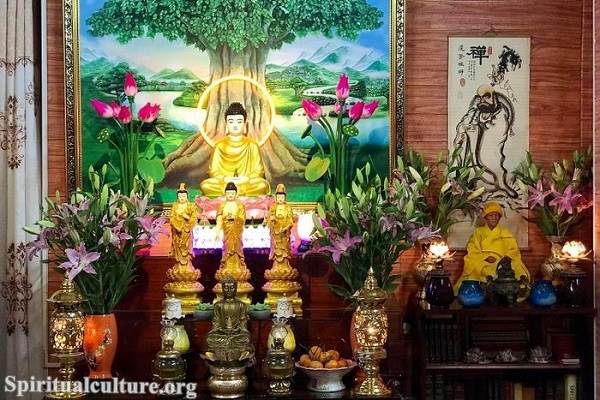
Many Buddhist households have a small shrine with a Buddha image, flowers, candles, incense, scripture, or memorial objects. A person may chant or meditate there in the morning or evening. Other Buddhists do not maintain a formal shrine and practice mindfulness, ethical conduct, or meditation wherever they are.
Because Buddhist practice is not limited to a temple, the home, workplace, natural settings, hospitals, schools, and retreat centers can all become places of practice when attention is directed toward the Dharma.
Pilgrimage sites
Pilgrimage has long been important in Buddhism. Sites associated with the historical Buddha, major teachers, relics, sacred mountains, stupas, and famous monasteries attract pilgrims. Pilgrimage may involve walking, chanting, offerings, circumambulation, meditation, or acts of generosity.
Do Buddhists have to worship in a temple?
No. A temple can provide community, teachers, ceremonies, and a dedicated sacred setting, but Buddhist practice is not confined to one place. Lay Buddhists may practice at home, and some traditions place strong emphasis on meditation retreats or everyday mindfulness.
For a broader introduction to Buddhist traditions and practice, see Buddhism and the Noble Eightfold Path.