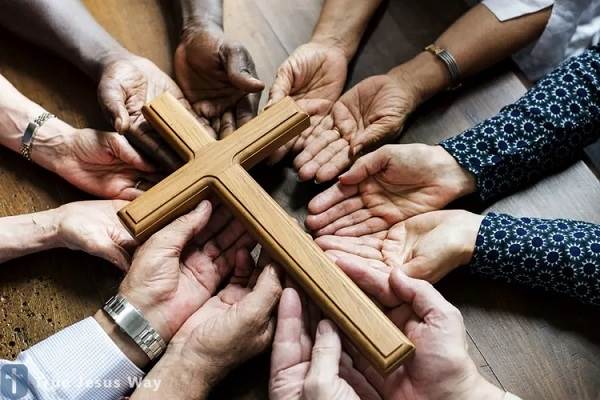
A deacon is a Christian minister whose role is associated with service, worship, proclamation, and care for the community. The word comes from the Greek diakonos, meaning servant or minister. The office developed differently across Christian traditions.
New Testament background
The New Testament uses language of service widely and also refers to deacons as recognized church ministers. Acts 6 is often connected with the later diaconate, although the seven men appointed there are not explicitly called deacons in that passage.
Catholic diaconate
In the Catholic Church, deacons receive the sacrament of Holy Orders. They may proclaim the Gospel at Mass, preach when permitted, baptize, witness marriages, preside at certain funerals and blessings, and carry out ministries of charity. Some are transitional deacons preparing for priesthood; others are permanent deacons.
Orthodox deacons
Eastern Orthodox deacons are ordained ministers who have important liturgical functions and assist bishops and priests. Their role is especially visible in the Divine Liturgy through litanies, Gospel proclamation, and service at the altar. Practices concerning married clergy and later ordination vary by church discipline.
Anglican and Protestant uses
Anglican churches generally retain an ordained diaconate. Many Protestant denominations also have deacons, but the office may be understood differently. In Baptist and congregational settings, deacons may be elected lay leaders responsible for service, administration, benevolence, or congregational care rather than sacramental ministry.
Deacon is not simply “assistant pastor”
The title should not be reduced to a generic helper role. In traditions with historic orders, the diaconate is a specific ministry with its own theological and liturgical identity. In other churches it is a congregational office. The duties must therefore be explained within the tradition using the title.
Permanent and transitional deacons
In Catholic practice, a transitional deacon is ordained on the path toward priesthood, whereas a permanent deacon remains in the diaconate. Permanent deacons may be married if the marriage precedes ordination, subject to church law. The existence and practice of permanent diaconates differ in other traditions.
Women and the diaconate
Early Christian sources refer to women serving in forms often discussed under the term deaconess. Their exact functions varied by period and region. Modern churches disagree about whether women may be ordained or commissioned as deacons, and the historical evidence is interpreted differently in contemporary debates.