The Prophet Muhammad was born in Mecca in 570 and was orphaned at a young age. He later became a successful merchant and married a wealthy widow named Khadijah.
According to Islamic tradition, Muhammad began receiving revelations from God through the angel Gabriel when he was 40 years old. These revelations were later recorded in the Quran, which Muslims believe to be the word of God, as revealed to Muhammad.
The teachings of Islam, as revealed in the Quran and through the example of the Prophet Muhammad, focus on the belief in one God and the importance of living a righteous and moral life.
Muhammad publicly began to preach Islam’s message and gained a small group of followers. However, he and his followers faced persecution and hostility from the ruling authorities and many Meccans, who were predominantly polytheistic.
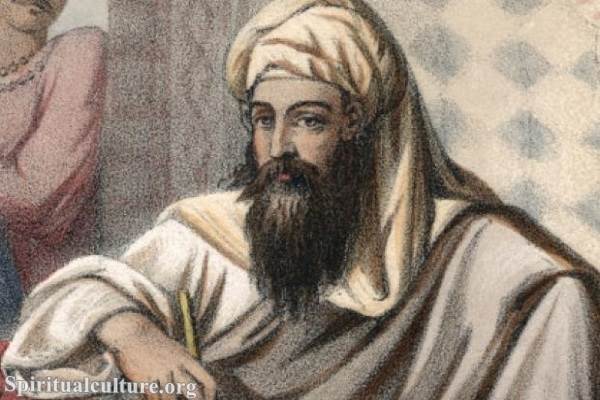
In 622, Muhammad and his followers migrated to Medina, which is located in present-day Saudi Arabia. This event, known as the Hijrah, marks the beginning of the Islamic calendar.
After the Hijrah, Muhammad and his followers established a Muslim community in Medina and began spreading Islam’s teachings throughout the Arabian Peninsula. The early Muslim community, known as the ummah, was characterized by its commitment to social justice and equality.
The rapid spread of Islam throughout the Arabian Peninsula led to the establishment of a large and powerful Muslim empire that eventually extended from Africa’s Atlantic coast to India’s borders.
Today, Islam is the second-largest religion in the world, with more than 1.8 billion followers.