The Great Renunciation is the traditional name for Siddhartha Gautama’s departure from household life in search of awakening. Later biographies dramatize the night he leaves the palace, but early discourses frame the decision more directly as a ‘noble search’ for what is not subject to aging, sickness, and death. Both layers are important, but they should not be treated as identical sources.
Textual source and historical setting
MN 26, the Ariyapariyesana Sutta, contains an early autobiographical account in which the Buddha recalls leaving home while still young and seeking the unborn, unaging, unailing, deathless freedom from bondage. MN 36 and other early texts add material about his training and austerities.
Later biographies transform this religious decision into a richly narrated palace departure, complete with named companions, sleeping courtiers, and visual symbolism.
The narrative in context
In the developed sacred biography, Siddhartha leaves behind royal privilege, family ties, and expectations of political life. The departure is often linked with earlier encounters with aging, illness, death, and renunciation.
In the early discourse, the emphasis is less theatrical but more explicit about the goal. Household life is associated with conditions that are themselves subject to aging and death, while the seeker turns toward liberation from that cycle.
Themes and interpretation
The renunciation should not be read simply as rejection of family life or celebration of abandonment. Within Buddhist tradition it marks a specific religious vocation: the choice to pursue awakening with total commitment.
The story also reflects the wider South Asian institution of renunciation, in which leaving household obligations could become a recognized path of religious search.
Place in religious and cultural tradition
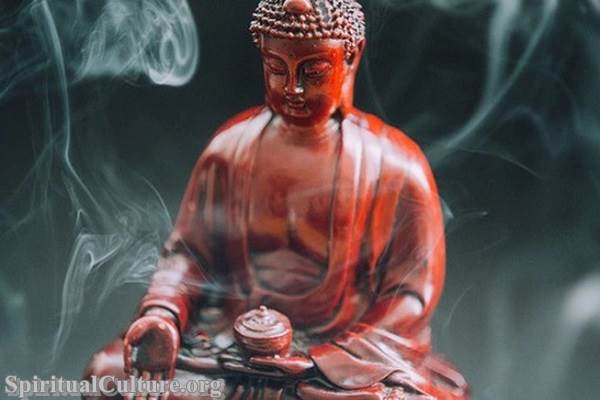
The Great Renunciation became one of the major scenes of Buddhist art and sacred biography. Artists and storytellers across Asia developed distinctive ways of representing the departure, often emphasizing silence, resolve, and the contrast between palace luxury and the renunciant path.
How to read the story carefully
Editors should distinguish early autobiographical statements from later narrative detail. That avoids false certainty while allowing the later sacred biography to be discussed as a major part of Buddhist culture in its own right.
Sources and further reading
- Majjhima Nikāya 26, Ariyapariyesana Sutta.
- Majjhima Nikāya 36 and later Buddhist biographies of Siddhartha’s renunciation.