
Noah: A Man of Faith in a World of Judgment
Noah’s story foreshadows the Gospel—one ark saved from the flood, and one Savior, Jesus Christ, saves from final judgment in Christianity.

Noah’s story foreshadows the Gospel—one ark saved from the flood, and one Savior, Jesus Christ, saves from final judgment in Christianity.
Pure intention guides every act — discover how *niyyah* shapes sincere worship and spiritual purpose in Islamic life within Islamic belief.
Learn about Reading the Lotus Sutra: A Journey Through Symbol and Truth, covering relevance for readers in Buddhist belief and practice.
Learn whether Buddhists celebrate Thanksgiving, how gratitude relates to the holiday, and why participation depends on culture and family.
Learn about Vesak in Buddhism, its links to the Buddha’s life, rituals, temple observances, merit-making, and celebrations around the world.
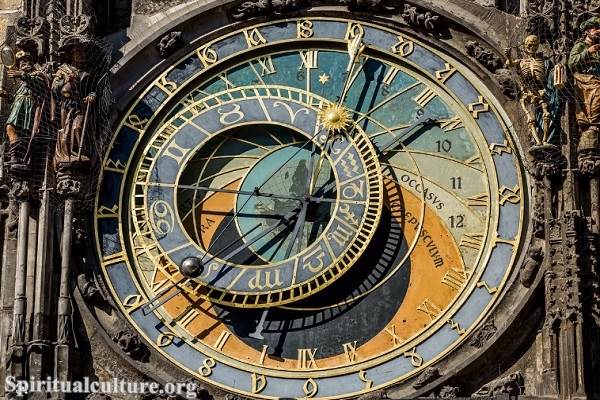
The Gregorian calendar is a solar calendar introduced by Pope Gregory XIII in 1582 to reform the Julian calendar in historical context.
True peace arises through love, not retaliation—this teaching reveals the transformative power of compassion over hatred in Buddhism.
A sacred call to heal creation and elevate justice — how Judaism invites every soul to participate in repairing the world in context.
The Sabbath is God’s gift of rest—a holy rhythm to renew our souls and draw us into His presence beyond life’s constant demands in context.
The Old Testament, also known as the Hebrew Bible, is a collection of 39 books that are considered sacred scripture by Jews and Christians.
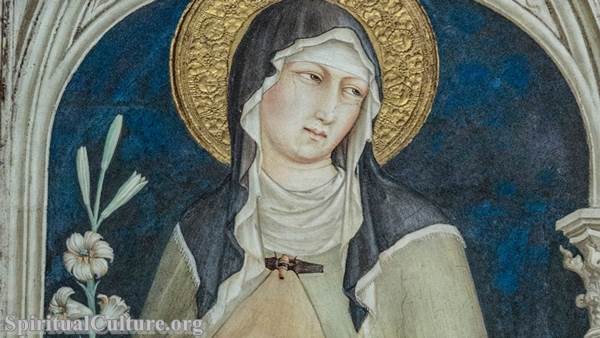
Learn about Saint Clare of Assisi, her partnership with Francis, Poor Clares, spirituality, writings, and enduring Catholic legacy.
Jesus is called the "second Adam" because He reversed Adam’s fall, bringing righteousness and life where sin and death once ruled.