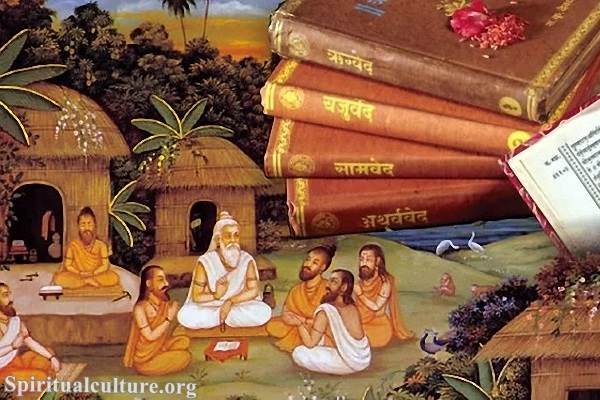
The Vedas in Hinduism
The Vedas are a body of ancient Hindu scriptures, considered to be the oldest sacred texts of Hinduism with Hindu historical context.

The Vedas are a body of ancient Hindu scriptures, considered to be the oldest sacred texts of Hinduism with Hindu historical context.

Christianity in Germany: the Reformation, Catholic and Protestant traditions, church history, secularization, and religious diversity.
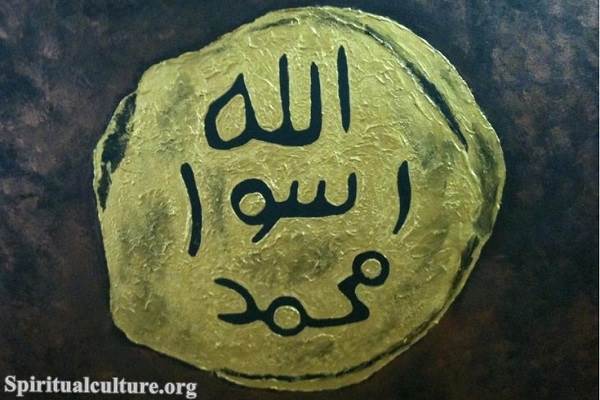
Learn the meaning of the Shahada, its two testimonies, place among Islam’s Five Pillars, and role in conversion, prayer and Muslim faith.
Pope Benedict XVI (1927–2022) led during crisis and secularism, then resigned in 2013, leaving a legacy of faith and theological depth.
Saint Barbara, also known as St. Barbara, stands out as a figure of courage, resilience, and unwavering faith in Catholic tradition.
Learn about Pope Leo III: The Shepherd Who Crowned an Emperor, covering life and background, legacy in religious and historical context.
Christianity in Brazil: Catholic heritage, evangelical and Pentecostal growth, Afro-Brazilian traditions, festivals, and worship today.
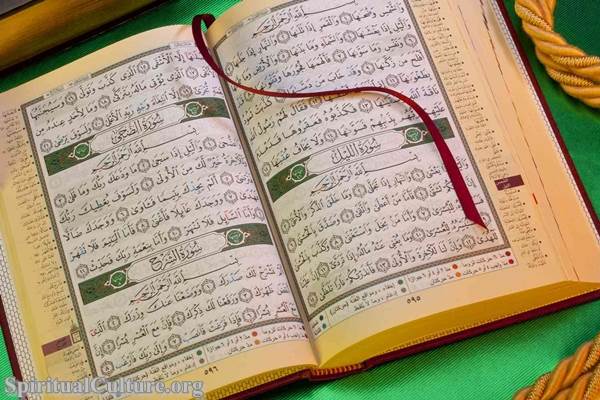
Learn how Muslims understand the Qur’an as revelation, including its structure, Arabic recitation, translation, tafsir and daily use.
The Lord’s Supper is a sacred meal where Christians remember Jesus’ sacrifice, sharing bread and wine in worship, love, and hope in context.
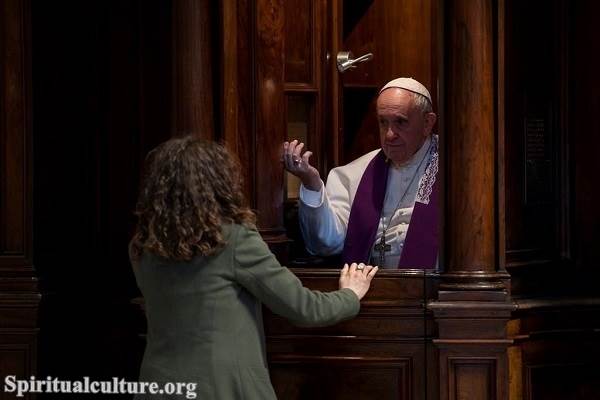
Learn how confession works in Catholicism, including practice and religious meaning, history, cultural context, continuing significance.
Many Christians believe in free will—humans can choose to follow God, though His grace empowers that choice and draws us to Him in context.
Calvinism emphasizes God's sovereign choice in salvation; Arminianism highlights human free will in accepting or rejecting God’s grace.