The Shahada is the Islamic testimony of faith and the first of Islam’s Five Pillars. In its familiar form, it testifies that there is no deity worthy of worship except Allah and that Muhammad is the Messenger of Allah. Spiritual Culture explains the statement as creed and commitment rather than a slogan detached from Muslim life.
The first testimony: divine oneness
The declaration begins with the exclusive worship of God. It expresses tawhid, the central Islamic teaching that God is one and has no equal or partner.
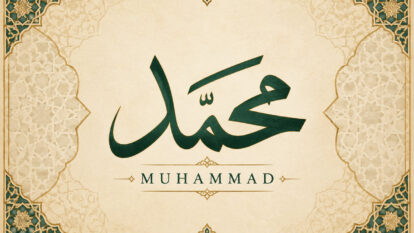
The second testimony: Muhammad is God’s messenger
The second part affirms Muhammad’s prophetic mission and places Muslim life in relation to the Qur’an and Prophetic example.
Why the Shahada is a pillar
Classical Sunni descriptions of the Five Pillars begin with testimony of faith, followed by prayer, zakat, fasting Ramadan, and Hajj for those who are able.
Conversion to Islam
A person entering Islam commonly pronounces the testimony sincerely and knowingly. Community procedures can include witnesses or documentation, but local legal and institutional requirements should not be confused with the basic religious profession.
Sincerity matters
Islamic teaching does not treat the Shahada as a magical phrase. Its meaning includes belief, intention, worship of God, and acceptance of Muhammad’s prophethood.
The Shahada in daily religious life
Its language appears in the call to prayer, devotional remembrance, teaching, sermons, and many moments of Muslim life.
Relationship to tawhid
The Shahada summarizes monotheism but Islamic theology develops tawhid through Qur’anic teachings about divine names, attributes, creation, worship, mercy, judgment, and incomparability.
Sunni and Shia Muslims share the core testimony
Sunni and Shia Muslims affirm the same fundamental testimony of God’s oneness and Muhammad’s messengership. Shia devotional formulas may additionally affirm the religious authority of Ali, but this should not be confused with replacing the basic Shahada.
Arabic and translation
The Arabic formula has a special liturgical and communal role, while translations explain its meaning to non-Arabic speakers.
Profession and practice
The testimony stands at the foundation of a life that also includes worship, ethics, repentance, charity, community responsibility, and hope in God.
Practice and interpretation
The Shahada is both concise and comprehensive: it joins the worship of the one God with recognition of Muhammad’s prophetic mission and provides the creedal foundation for Muslim religious practice.