
The Role of Mary in Catholic Devotion and Doctrine
Learn about Mary’s profound role in Catholic faith—as Mother of God, intercessor, and model of grace-filled discipleship in lived practice.

Learn about Mary’s profound role in Catholic faith—as Mother of God, intercessor, and model of grace-filled discipleship in lived practice.
Jesus had to die for our sins to satisfy God’s justice, offering Himself as the perfect sacrifice to bring us forgiveness and eternal life.
Solomon's wisdom and downfall show that success without obedience is hollow, pointing us to Jesus—the true and greater King in Christianity.
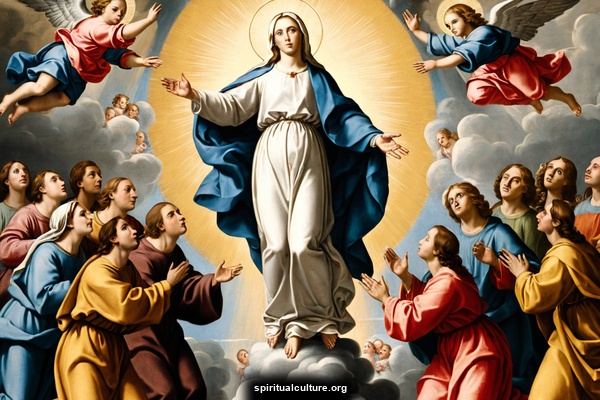
The Assumption of Mary celebrates her being taken into heaven, body and soul, honoring her unique role in Christian salvation history.
Mindfulness is being fully present in each moment—Buddhism teaches it as a daily practice that calms the mind and transforms how we live.
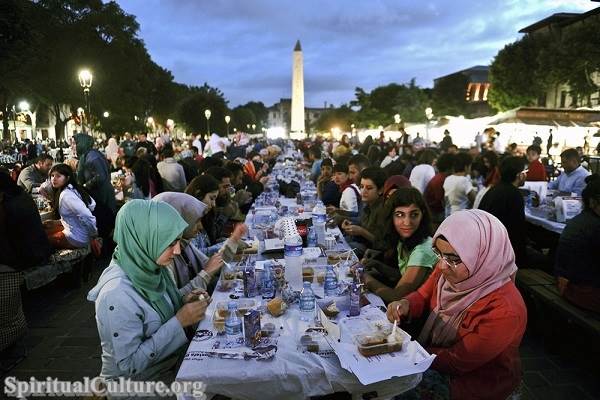
Ramadan is the ninth month of the Islamic lunar calendar, during which Muslims around the world observe fasting from dawn until sunset.
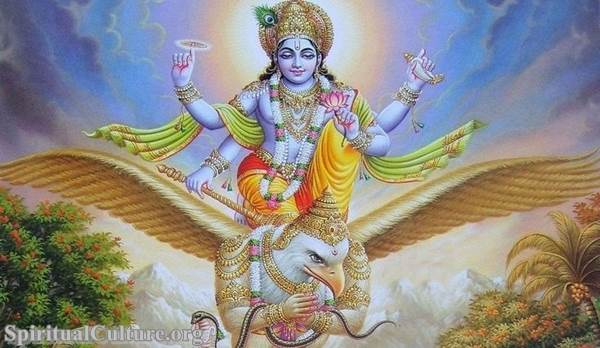
Garuda is a mythical bird-like creature in Hinduism, Buddhism, and Jainism, and it serves as the mount (vahana) of Lord Vishnu in context.
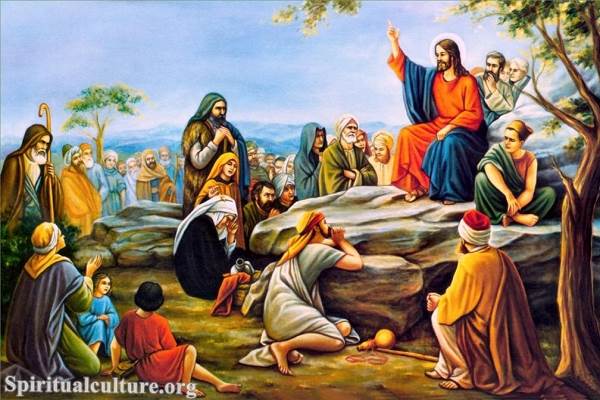
Catholicism is a Christian religion with over 1.3 billion adherents. It is one of the oldest and largest denominations of Christianity.
The Law of Cause and Effect teaches that actions shape outcomes—karma guides our path with mindful intent and responsibility in Buddhism.
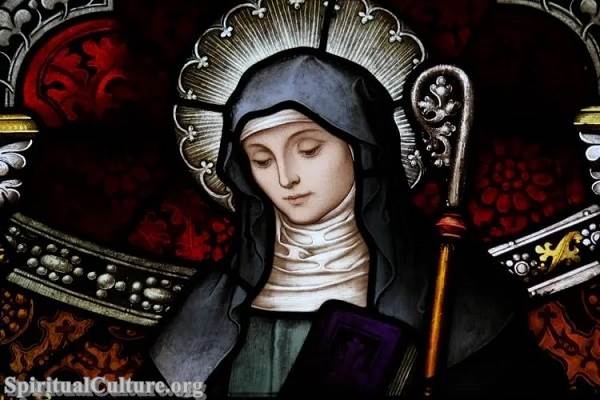
Saint Bridget of Sweden, also known as St Bridget of Sweden, is an iconic figure within the Catholic faith with Catholic historical context.
Learn how Buddhist tradition tells Siddhartha Gautama’s birth, its textual sources, symbolic details, historical context, and meaning.
Learn about Pope Pius II, including life and background, religious role, legacy, religious significance in Catholic belief and practice.