The phrase “most influential cultural cities” has no single measurable definition. A city can matter through migration, music, sacred places, architecture, ritual, political memory, or the traditions sustained by local communities. Spiritual Culture therefore presents ten editorial picks where religion and living heritage are especially visible.
1. New Orleans, Louisiana
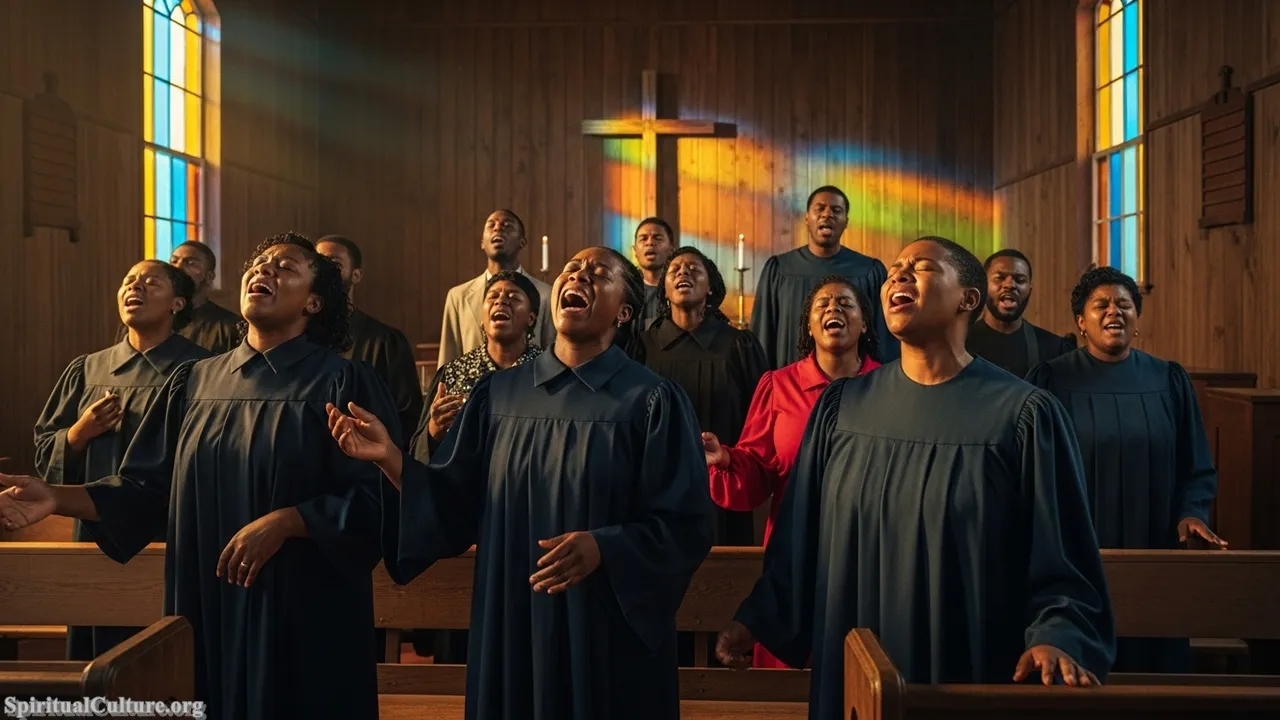
New Orleans brings together Catholic feast traditions, African diasporic religion, Black church history, jazz, Mardi Gras, Creole and Cajun heritage, and neighborhood ritual life. Music and religion are deeply intertwined, and the city’s sacred culture cannot be separated from slavery, migration, resistance, and community celebration.
2. Santa Fe, New Mexico
Santa Fe stands within a region shaped by Pueblo nations, Spanish colonial Catholicism, Indigenous art, pilgrimage, adobe architecture, and long-running intercultural exchange. Pueblo communities are living sovereign peoples, so their ceremonial life should never be reduced to a picturesque remnant of the past.
3. San Antonio, Texas
San Antonio’s mission landscape connects Indigenous history, Spanish colonialism, Catholic evangelization, agriculture, architecture, and continuing parish life. UNESCO recognizes the San Antonio Missions as a World Heritage property because of this layered cultural landscape rather than because they are simply old churches.
4. Salt Lake City, Utah
Salt Lake City is historically associated with the Church of Jesus Christ of Latter-day Saints and migration into the Great Basin. The contemporary city also contains Catholic, Protestant, Jewish, Muslim, Buddhist, Hindu, and secular communities, making it more religiously diverse than its popular image suggests.
5. Charleston, South Carolina
Charleston’s religious landscape includes historic Black churches, Jewish congregations, Anglican and Catholic heritage, cemeteries, and sites connected with slavery and emancipation. Sacred architecture here must be interpreted alongside racial history, community institution-building, and the struggle over public memory.
6. Savannah, Georgia
Savannah combines colonial planning, African American religious history, Jewish heritage, churches, cemeteries, and public memorial landscapes. The city’s celebrated beauty should be read together with histories of enslavement, migration, worship, mutual aid, and community survival.
7. Honolulu, Hawaiʻi
Honolulu reflects Native Hawaiian sacred landscapes alongside Christian mission history and later Buddhist, Shinto, Chinese, Filipino, and Pacific Islander traditions. Native Hawaiian religion should be distinguished from later immigrant and missionary histories rather than blended into a generic “island spirituality.”
8. Philadelphia, Pennsylvania
Philadelphia’s heritage includes Quaker history, early American religious pluralism, African American churches, Jewish communities, Catholic institutions, mosques, temples, and civic debates about conscience and religious liberty. Its importance lies as much in contested ideas as in preserved buildings.
9. New York City, New York
New York’s sacred heritage is defined by migration. Churches, synagogues, mosques, Hindu temples, Buddhist centers, Afro-Caribbean traditions, Sikh communities, new religious movements, and secular institutions coexist across the boroughs, creating one of the world’s most complex urban religious landscapes.
10. Los Angeles, California
Los Angeles contains major Catholic, Protestant, Jewish, Buddhist, Hindu, Muslim, Sikh, Indigenous, Latino, Korean, Filipino, Armenian, Iranian, and other communities. Migration, media, suburbanization, ethnicity, and transnational networks continually reshape the city’s religious geography.
Differences across traditions
These cities are not ranked by spiritual value. They were selected because sacred places, migration, ritual, music, and community memory provide strong entry points into American living heritage.