
How Religion Influences National Holidays and Observances
Learn how religion shapes national holidays, turning calendars into sacred rhythms of memory, meaning, and faith within religious tradition.

Learn how religion shapes national holidays, turning calendars into sacred rhythms of memory, meaning, and faith within religious tradition.
Christians take communion to remember Jesus’ sacrifice, celebrate the new covenant, and reflect on His love and promised return in context.
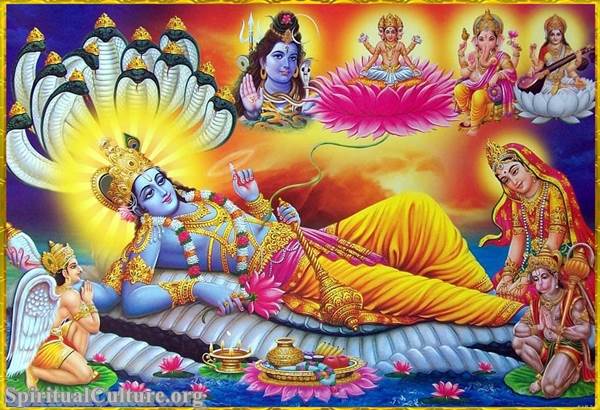
Adi Sesha, also known as Ananta Shesha or simply Shesha, is a mythical serpent or divine serpent in Hinduism with Hindu historical context.
A sacred healing of the soul — explore why forgiveness is central to spiritual life across faiths and traditions in wider religious context.
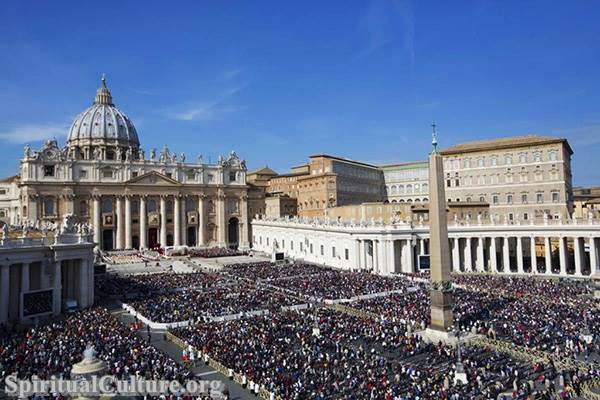
Learn how many Christians there are worldwide, where they are concentrated, and how global Christian numbers changed from 2010 to 2020.
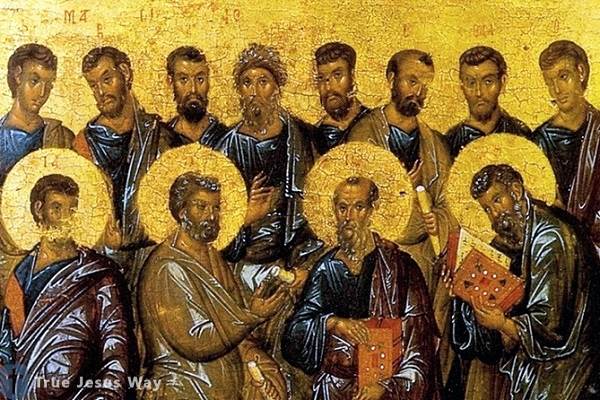
The apostles were Jesus’ chosen messengers—witnesses to His life, sent to spread the Gospel and shape the foundation of Christianity.
The Kathina Ceremony is a traditional Buddhist festival that takes place annually in Theravada Buddhist communities in Buddhist tradition.
Julius Caesar died at about 55 or 56 in 44 BCE. Learn how uncertainty about his birth date affects the calculation and what historians know.
Santutthi, or contentment, is a Buddhist practice of deep satisfaction with the present, freeing us from craving and supporting inner peace.
Learn about the Majjhima Nikaya: Middle-Length Discourses, Profound Insights, including overview and central themes, practical insights.
The Cross, a symbol of suffering and hope, reveals God’s love, mercy, and a personal invitation to new life in Christ in Christian practice.
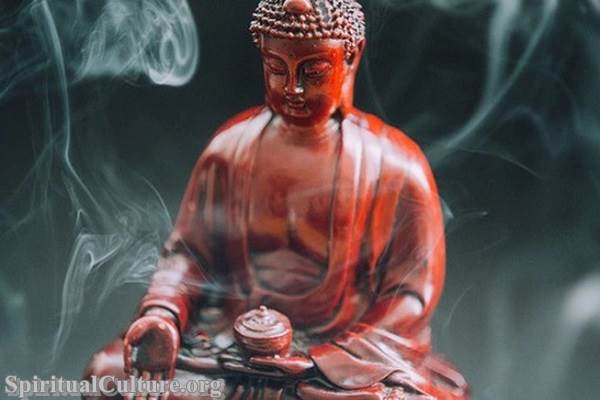
Learn the Buddha’s core teachings through canonical sources: Four Noble Truths, Eightfold Path, dependent origination, not-self and ethics.