
Is Self-Care Biblical?
Biblical self-care honors God by nurturing the body, mind, and spirit to better serve Him and others with strength and love in Christianity.

Biblical self-care honors God by nurturing the body, mind, and spirit to better serve Him and others with strength and love in Christianity.
Explore Saint John Bosco's life and teachings, his profound impact on education and youth, and his enduring legacy in the Catholic Church.
Learn about the Sutta Nipāta: An Early Look at the Buddha’s Path, covering key teachings, practical insights, strengths and limitations.
Exodus tells of God’s power to rescue, redeem, and lead us from bondage into a new life of freedom and hope in Him in Christian practice.
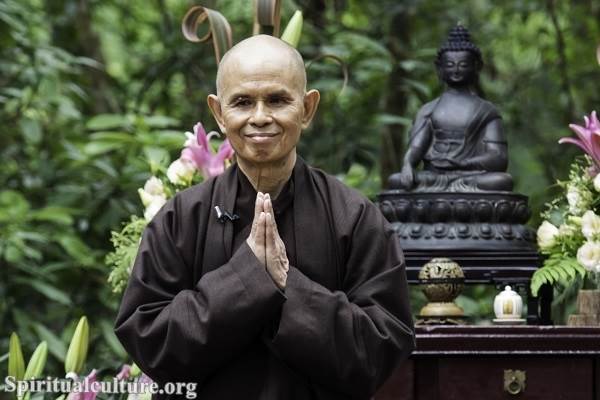
Learn about Thich Nhat Hanh’s life, Buddhist teachings, peace activism, and enduring global legacy as a pioneer of Engaged Buddhism.
Compare Evangelical and Mainline Protestant traditions in theology, worship, social outlook, institutions, history, and public life.
Defining the faith: how creeds and confessions guide Protestant belief, unity, and devotion to biblical truth across Protestant traditions.
To repent means turning from sin with sincere sorrow, seeking God’s forgiveness, and choosing to follow Him in obedience and faith.
Baptism is a sacred act of dying to sin and rising with Christ—an outward sign of inner transformation and new life in Christian tradition.
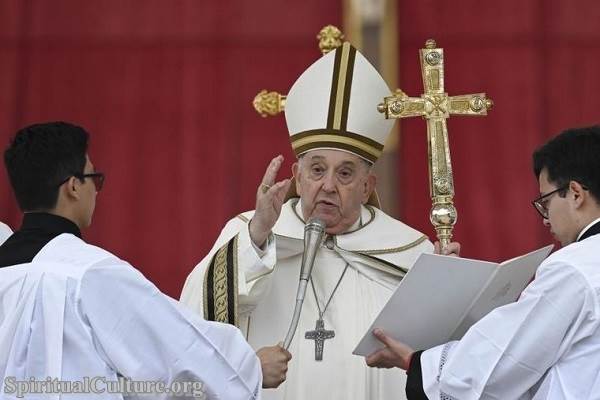
Pope Leo XIV, born Robert Francis Prevost, is the current pope. Learn about his background, election, role, and Catholic leadership.
Christianity in Ethiopia: Orthodox Tewahedo history, Ge’ez worship, ancient churches, Islam, Protestant traditions, and diversity.
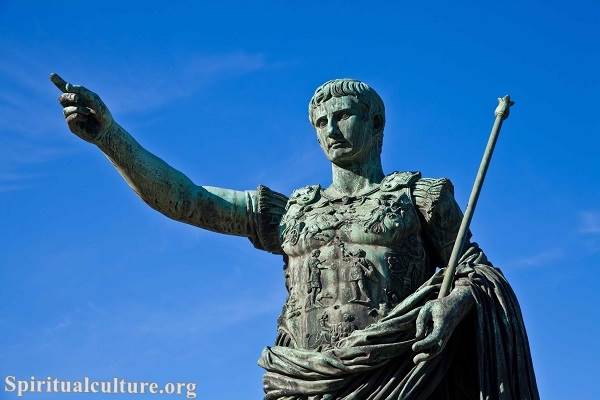
This article seeks to reveal the deeper meanings of Caesar's quotes, enhancing readers' understanding of him and his era in lived practice.