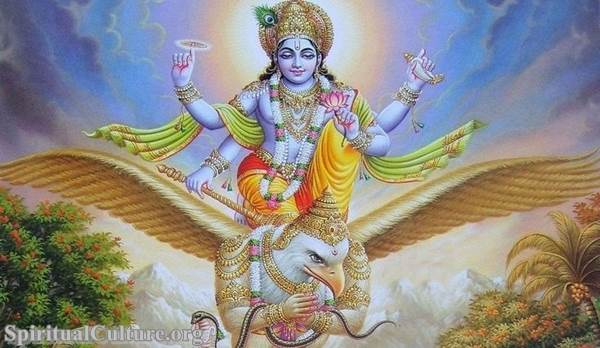
Hindu practice is extraordinarily diverse. A household devoted to Krishna, a Shaiva temple, a Shakta festival, a Smarta family, and a philosophical or yoga lineage may share concepts while organizing daily religious life differently. Spiritual Culture therefore presents common patterns without turning them into a universal checklist.
Puja
Puja is ritual worship that may include a lamp, incense, flowers, water, food, mantra, gesture, and prayer before a deity or sacred image.
Darshan
Darshan is the act of seeing and being seen by the deity in a temple or shrine. It is relational and devotional, not merely viewing art.
Mantra
Sacred sounds and formulas may be recited during worship, meditation, initiation, pilgrimage, or daily remembrance.
Home shrines
Many Hindu households maintain a small shrine where family members perform simple daily devotion or special festival rites.
Temple worship
Mandirs support deity service, priestly ritual, festivals, music, teaching, community gatherings, and pilgrimage. Attendance patterns differ from the weekly congregational model common in some other religions.
Festivals
Diwali, Navaratri, Holi, Janmashtami, Maha Shivaratri, regional new years, temple festivals, and many local observances shape the ritual year.
Pilgrimage
Sacred rivers, mountains, temples, towns, and regional circuits connect geography with memory, myth, vows, and family devotion.
Yoga and meditation
Some Hindus practice philosophical, devotional, meditative, or bodily forms of yoga. Modern posture-based exercise is only one part of the history of yoga.
Life-cycle rites
Rituals can mark naming, initiation, marriage, death, ancestor remembrance, and other transitions. Exact rites depend on region, community, and family tradition.
Food and offering
Prasada, fasting, vegetarian choices, festival foods, and temple offerings connect devotion with everyday material life.
Scripture and sacred story
Bhagavad Gita, Ramayana, Puranas, Vedas, devotional poetry, guru teachings, and regional texts may be read, recited, heard, or performed.
Seva
Service to deity, temple, family, community, guests, or people in need can itself be understood as religious practice.
Vrata, fasting, and vows
Hindu religious life may include fasting, dietary restraint, vows, night vigils, or special worship for a deity or festival. Practices differ by family and tradition and are not one universal code.
Ancestors and remembrance
Śrāddha and related rites connect family duty, memory, food offerings, and relationships with ancestors in many Hindu communities.
Guru and lineage
Some practices are learned through family transmission, temple priests, teachers, or gurus. Initiation can be important for particular mantras or advanced ritual systems.
Practice and interpretation
Hinduism is best described through multiple practices embedded in specific communities. Puja, mantra, darshan, festivals, pilgrimage, yoga, and life-cycle rites are common, but no Hindu is required to perform all of them in the same way.