
What Is Nirvana in Buddhism? Meaning, Craving, Rebirth, Enlightenment, and Traditions
Nirvana in Buddhism is the ultimate freedom—liberation from suffering, craving, and the cycle of rebirth through profound inner peace.

Nirvana in Buddhism is the ultimate freedom—liberation from suffering, craving, and the cycle of rebirth through profound inner peace.
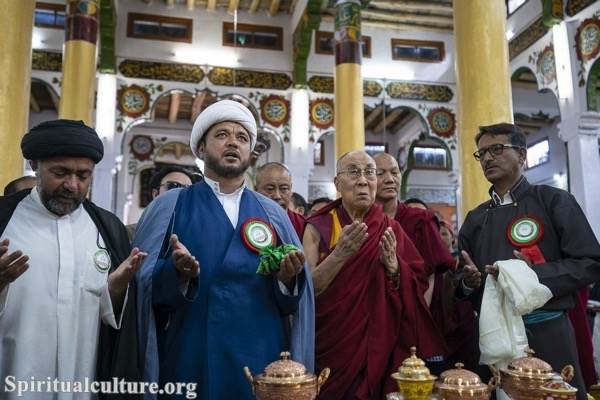
Learn how Islam may view Buddhism, why Muslims differ on Buddhist status, and how Islamic monotheism contrasts with Buddhist teachings.
Salvation isn’t earned—it’s a gift. Discover how faith in Jesus Christ brings forgiveness, new life, and eternal hope through grace.
Learn about belief in God outside organized religion, covering shared themes, key differences, historical context, beliefs and theology.
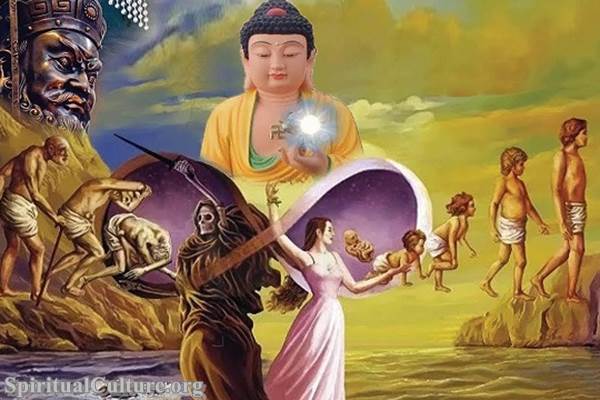
The ultimate goal in Buddhism is to achieve enlightenment and escape the cycle of reincarnation, which is seen as a cycle of suffering
The Dalai Lama’s "Ethics for the New Millennium" offers a secular guide to inner values like compassion and patience for a meaningful life.
Learn how the Quran presents prophets, revelation, moral responsibility, divine guidance, and the shared mission of messengers in Islam.
Balance Buddhism and career by practicing mindfulness, ethical action, and compassion—bringing inner peace into your daily work life.
Scripture shows soul and spirit are distinct, and understanding both is key to growth, healing, and walking with the Holy Spirit in context.
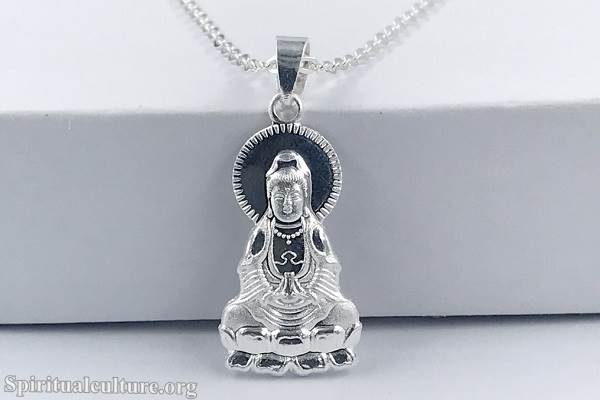
Learn what wearing a Buddha image can mean, why it may be devotional or cultural, and how Buddhist symbols can be worn respectfully.
The family is the first sacred space where faith is lived, traditions are taught, and spiritual identity begins to form in lived practice.
The Ten Wholesome Actions guide body, speech, and mind toward peace, helping end suffering and cultivate a life of wisdom and compassion.