
What Do Buddhist Monks Do Daily?
Buddhist monks live daily rhythms that value peace over productivity, offering a quiet contrast to our noisy, hurried world in context.
Learn about Buddhism through the Buddha’s teachings, major traditions, sacred texts, meditation, monastic life, ethics, festivals, teachers, and communities worldwide.
Buddhist monks live daily rhythms that value peace over productivity, offering a quiet contrast to our noisy, hurried world in context.
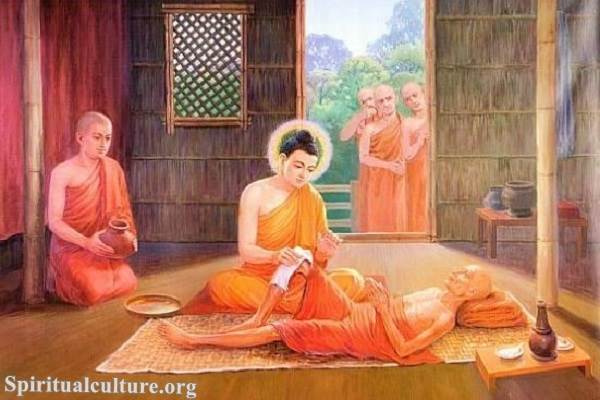
Learn Buddhist beliefs about death, rebirth, funerals, and the afterlife, including how teachings differ across Buddhist traditions.
Liberation (Nibbāna) is the end of craving and suffering—a state of unshakable peace, freedom, and awakening for Buddhist practice.
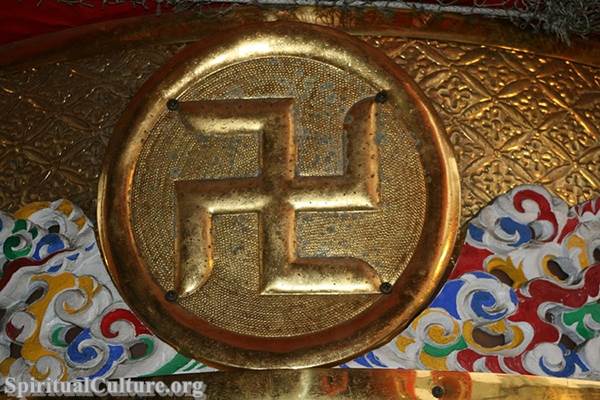
The Manji symbol, also known as a swastika, is an ancient symbol that has been used for thousands of years in many cultures and religions.
Right Speech (Sammā Vācā) teaches us to speak truthfully, kindly, and wisely—using words to foster peace, not harm, in daily life.
Craving is the root of suffering in Buddhism because it binds us to desire and attachment, preventing true peace and freedom in context.
Learn the Mahākapi Jātaka story of the monkey king’s living bridge, its source, themes of sacrifice, kingship, and Buddhist interpretation.
Learn about Asalha Puja (Dhamma Day), including history and origins, meaning, religious background, key teachings in Buddhist tradition.
A profound stillness beyond words—unveiling the spiritual wisdom and timeless meaning of the Buddha’s noble silence for Buddhist practice.
Learn the source, traditional status, meaning, and historical context of Prince Mahāsattva and the Starving Tigress: A Mahāyāna Jātaka.
The Buddha defined true happiness as inner peace—freedom from craving, attachment, and ignorance through mindful and compassionate living.
Learn how Buddhist teachings approach forgiveness through non-hatred, compassion, karma, letting go of resentment, and responses to harm.
All articles have been displayed.