
Buddha Quotes on Karma: Canonical Teachings on Intention, Action, and Consequences
Buddha teachings on karma: canonical passages on intention, ethical action, consequences, responsibility, and the path beyond karma.
Learn about Buddhism through the Buddha’s teachings, major traditions, sacred texts, meditation, monastic life, ethics, festivals, teachers, and communities worldwide.
Buddha teachings on karma: canonical passages on intention, ethical action, consequences, responsibility, and the path beyond karma.
Learn the source, traditional status, meaning, and historical context of Siddhartha’s Awakening Under the Bodhi Tree: Text and Tradition.
Buddhism is a religion that has a rich history and philosophical depth, and much of its wisdom and teachings are found in its sacred texts.
The Buddha described the mind as luminous, ever-changing, and shaped by thoughts—central to both suffering and liberation in Buddhism.
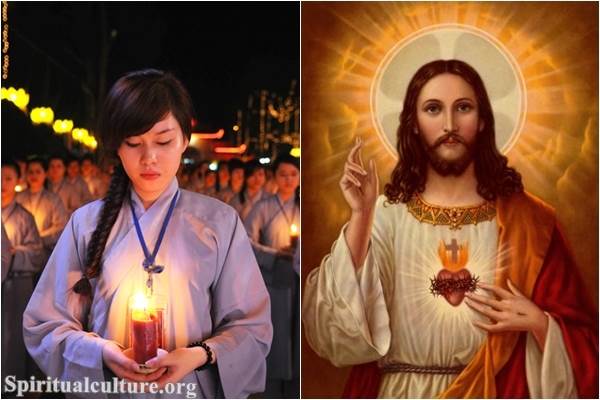
Learn how Buddhists may view Jesus, why Buddhism has no single doctrine about him, and where Christian and Buddhist teachings differ.

Learn how Buddhist sexual ethics apply to intimacy, consent, relationships and monastic celibacy through the third precept and non-harm.
Bring mindfulness into your routine by staying present in daily tasks, breathing with awareness, and acting with calm and clarity.
The Buddha taught through compassion, using stories, questions, and direct insight to guide others toward enlightenment in Buddhism.

In Buddhism, karma is intentional action shaping our lives—not punishment, but a present-moment path to wiser, compassionate living.
The Six Realms of Samsara show how karma shapes suffering and desire, offering insight into life’s struggles and the path to liberation.
Right View (Sammā-diṭṭhi) is the first step on the path to freedom—seeing life clearly to end suffering and live with wisdom and compassion.
Novice nuns, or sāmaṇerīs, take the first steps on the Buddhist path, embracing a life of mindfulness, simplicity, and inner search.
All articles have been displayed.