
The Concept of Time in Theravāda and Mahāyāna Buddhism
Learn how Theravāda and Mahāyāna Buddhism see time—as a cycle, illusion, and path beyond suffering and rebirth in Buddhist practice.
Learn about Buddhism through the Buddha’s teachings, major traditions, sacred texts, meditation, monastic life, ethics, festivals, teachers, and communities worldwide.
Learn how Theravāda and Mahāyāna Buddhism see time—as a cycle, illusion, and path beyond suffering and rebirth in Buddhist practice.
Learn the Nigrodhamiga Jātaka story of the banyan deer, its traditional source, themes of compassion and leadership, and Buddhist meaning.
Learn how Tibetan Buddhist sand mandalas are created and dissolved, and how the ritual expresses impermanence, devotion, and sacred meaning.
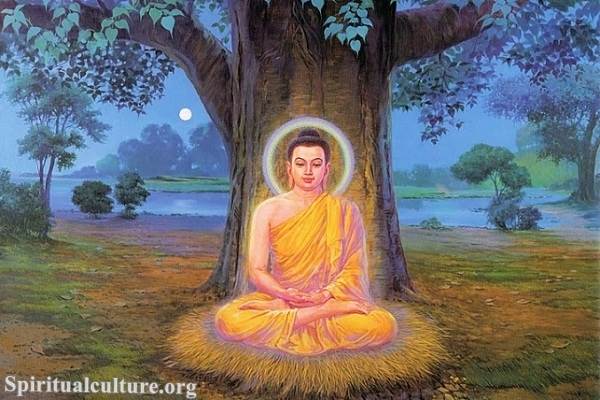
Theravada Buddhism has a long and rich history dating back to the time of the historical Buddha, Siddhartha Gautama, in the 6th century BCE.
A timeless guide for modern minds—why the Buddha’s teachings still heal, ground, and awaken us in the digital age for Buddhist practice.

Learn whether Buddhism has one symbol for Nirvana, why the Dharma Wheel is often used, and what other symbols can represent awakening.
The Buddha taught that helping others with compassion and selflessness is a vital path to awakening and true inner peace in Buddhism.
Meditation (Samādhi) is essential for calming the mind, deepening insight, and cultivating the clarity needed for true liberation.
Simplicity in Buddhism frees the mind from attachment, bringing clarity, peace, and present-moment contentment in Buddhist practice.
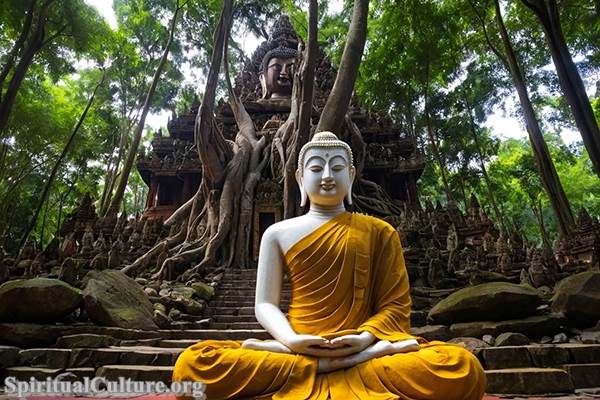
Explore the fundamentals of Buddhism, its beliefs, practices, origins, and more. Dive deep into understanding this ancient spiritual path.
Buddhism Without Beliefs by Stephen Batchelor presents Buddhism as a practical path, not dogma—inviting seekers to explore without belief.
Kṣānti, or patience in Buddhism, is courageous strength—enduring hardship with compassion and accepting life as it is in Buddhist practice.
All articles have been displayed.