
Lutherans: Beliefs, Reformation History, Grace, Baptism, Communion, and Churches
Lutherans are Protestants rooted in Christ alone, emphasizing grace, faith, and the Gospel that offers peace with God and true freedom.
Learn about the Protestant Reformation, major denominations, Scripture, theology, worship, reformers, missions, spiritual practices, and global traditions.
Lutherans are Protestants rooted in Christ alone, emphasizing grace, faith, and the Gospel that offers peace with God and true freedom.
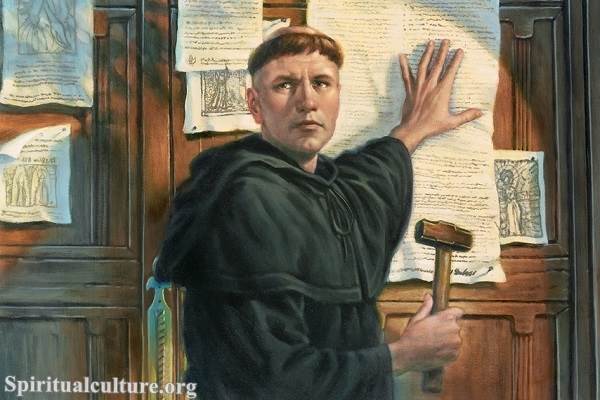
Learn what Martin Luther’s 95 Theses argued about indulgences in 1517, their historical setting and role in the Protestant Reformation.
Learn how Protestants view the Lord’s Supper — a sacred act of remembrance, presence, and spiritual communion in Protestant practice.
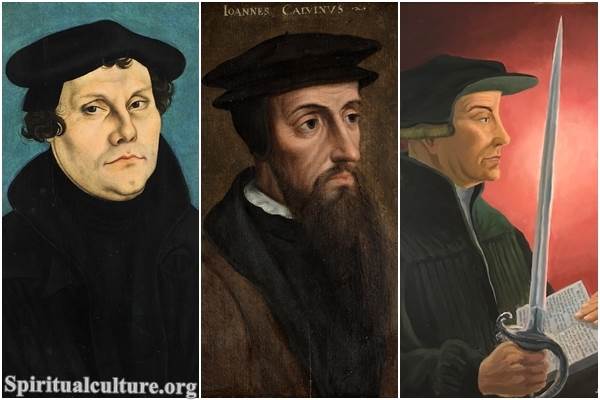
Learn about major Protestant Reformers, including Martin Luther, John Calvin, Huldrych Zwingli, their ideas, and roles in the Reformation.
The Lutheran tradition centers on salvation by grace through faith in Jesus Christ, emphasizing Scripture as the sole authority in context.

Learn why the Protestant Reformation spread successfully, including religious, political, social, technological, and institutional factors.
Learn how Protestants use the word saint, why many call all believers saints, and how Anglican churches commemorate holy lives today.
Explore the pivotal events of Reformation history. Understand its impact on religion, society, and politics in our comprehensive guide.
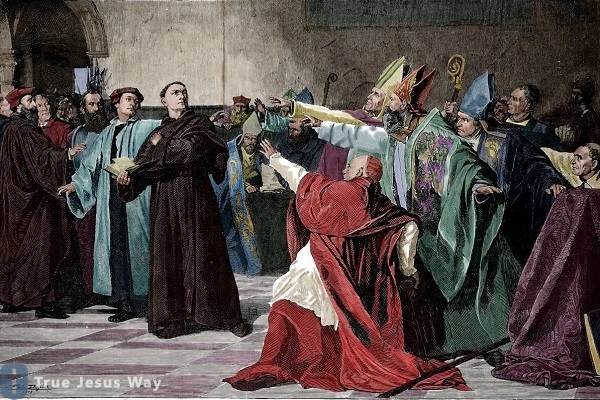
Corruption in the Catholic Church and a call to return to biblical truth sparked the Protestant Reformation led by Martin Luther in context.
The Anabaptists were a 16th-century movement emphasizing believer’s baptism, nonviolence, and living a faithful, Christ-centered life.

Learn which Christian traditions are similar to Protestantism, including key differences, religious meaning, cultural context, practice.
Compare Methodists and Presbyterians—key differences in beliefs, church structure, and approaches to grace, worship, and Scripture.
All articles have been displayed.