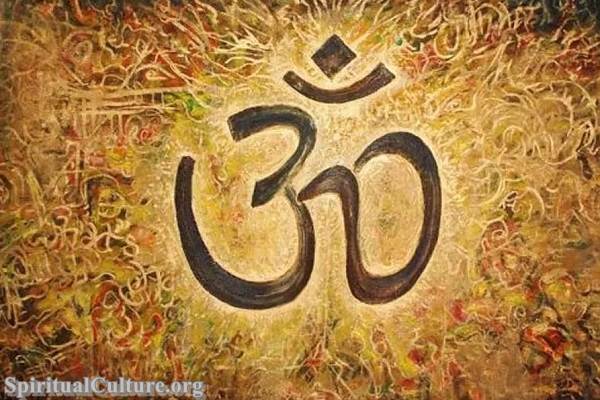
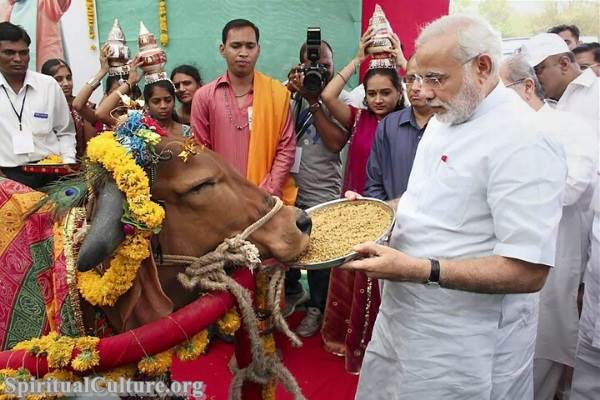
Hinduism is a complex and ancient religion with a long and varied history. It is the dominant religion of India and Nepal and has a significant presence in other parts of South and Southeast Asia.
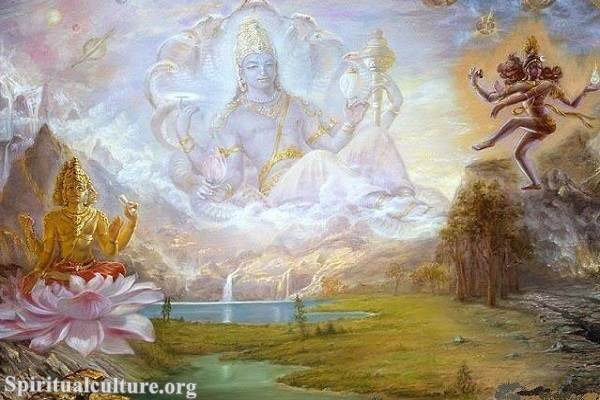
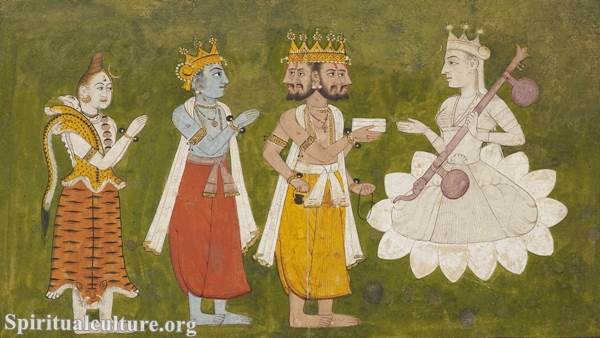
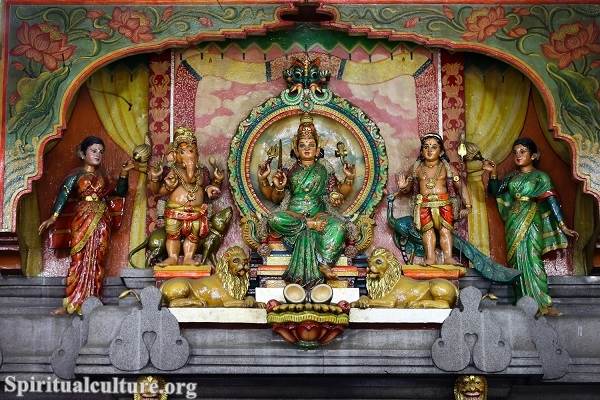
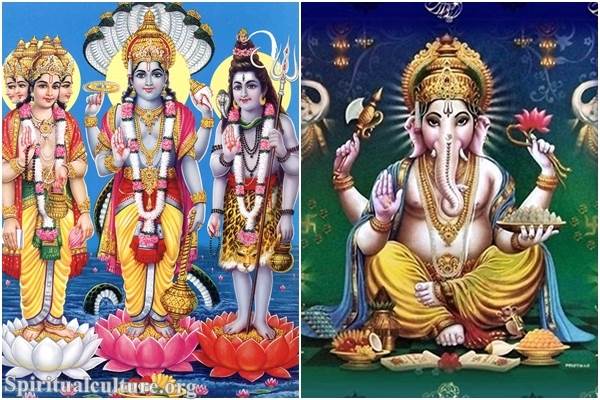
Hinduism is a polytheistic religion with a vast pantheon of deities believed to embody various aspects of the divine.
The origins of Hinduism are difficult to trace, as the religion has evolved over thousands of years and has been influenced by various cultural and philosophical traditions. Hinduism has no founder or central text, and its teachings and practices have developed and evolved through continuous revelation and interpretation.
The earliest evidence of Hinduism dates back to the Indus Valley Civilization, which flourished in modern-day Pakistan and northwest India between 2500 and 1900 BCE. The Indus Valley Civilization was a highly developed society with a sophisticated government, religion, and social organization system. The religion of the Indus Valley Civilization is not well understood. Still, it is believed to have had a pantheon of deities and been centered around worshiping natural forces, such as the sun, moon, and elements.
Over time, Hinduism absorbed and synthesized various ideas and practices from other religions and philosophical traditions, including Buddhism, Jainism, and the Vedic tradition. The Vedas, a collection of sacred texts considered the foundation of Hinduism, were composed between 1500 and 500 BCE. The Vedas contain hymns, prayers, and rituals that are still an important part of Hinduism today.
During the Gupta Empire (320-550 CE), Hinduism began to take on its classical form with the development of the caste system and the emergence of the major Hindu deities, such as Shiva, Vishnu, and Devi. The Gupta Empire was also a period of great cultural and artistic achievement, and Hinduism played a central role in the development of literature, art, and architecture during this time.
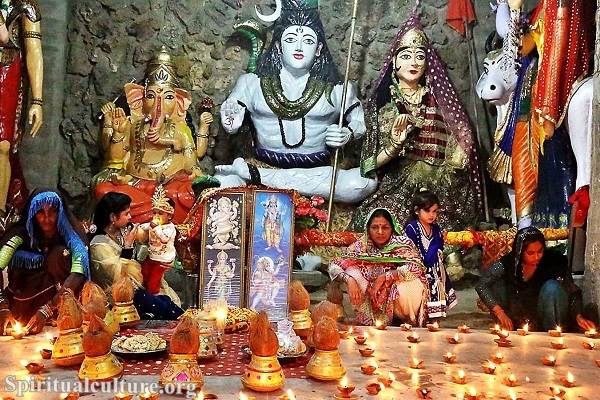
During the medieval period, Hinduism faced several challenges, including Islam’s spread and the European colonial powers’ arrival. Many Hindus resisted these external influences and sought to preserve and strengthen their traditions.
In the centuries that followed, Hinduism continued to evolve and spread within India and beyond. It has been influenced by various cultural, philosophical, and religious traditions and has given rise to several different sects and schools of thought.
In the 19th and early 20th centuries, Hinduism was shaped by several important social and political movements, including the Indian independence movement and the rise of Hindu nationalism. The independence movement, led by figures such as Mahatma Gandhi, sought to free India from British colonial rule and to establish a secular, democratic state. The rise of Hindu nationalism, on the other hand, was fueled by a desire to protect and promote Hindu culture and values in the face of perceived threats from other religions and cultures.
Since India’s independence in 1947, Hinduism has continued to evolve and adapt to modern India’s changing social, political, and cultural landscape. It remains a central part of Indian society and culture and is practiced by millions worldwide.
Hinduism is diverse and multifaceted religion, and there is no one way to describe or define it. It is characterized by a belief in a supreme being, a cycle of reincarnation, and the importance of living a virtuous and ethical life. Hinduism also places a strong emphasis on the spiritual realization of the individual and the pursuit of enlightenment. It is a religion that is open to interpretation and has no single founder or central authority. As a result, it has a rich and varied history and has been influenced by a wide range of philosophical and cultural traditions.
Today, Hinduism is a diverse and multifaceted religion with millions of followers worldwide.
Related Questions
Where did Hinduism originate?
Hinduism is one of the oldest major religions in the world, with roots that can be traced back to prehistoric times. The exact origins of Hinduism are difficult to pin down, as it has evolved over thousands of years and has been shaped by various cultures and traditions. However, it is generally considered to have originated in the Indus Valley Civilization around 2500 BCE.
The earliest known references to Hinduism can be found in the Vedas, a collection of religious texts that were composed in ancient India between 1500 and 500 BCE. These texts contain hymns, prayers, and rituals that form the foundation of Hindu religious practice.
Hinduism is also associated with the Indus Valley Civilization, which existed in what is now Pakistan and northwest India around 2500 BCE. Archaeological evidence suggests that the Indus Valley Civilization had a sophisticated culture and religion, and some scholars believe that the roots of Hinduism can be traced back to this ancient civilization.
In addition to these ancient roots, Hinduism has been shaped and influenced by various other cultures and traditions over the centuries. For example, the arrival of the Aryans in the Indian subcontinent around 1500 BCE brought new religious beliefs and practices that were incorporated into Hinduism. Similarly, the influence of Buddhism, Jainism, and other religions has also shaped Hinduism as it is known today.
Due to its long history, Hinduism is a diverse religion and has many different beliefs, practices, and traditions. It is a complex and multi-faceted religion that continues to evolve and adapt to the changing times.
How did Hinduism start?
Hinduism is a complex religion that has evolved over thousands of years, making it difficult to trace its exact origin. However, it is believed to have its roots in the Vedic culture of ancient India, which was based on the worship of nature and the practice of rituals and sacrifices.
The Vedas, which are considered the oldest Hindu scriptures, were likely composed between 1500 BCE and 500 BCE and describe the worship of various gods such as Indra, Agni, and Soma.
Over time, Hinduism absorbed and integrated various ideas and practices from other cultures, such as Buddhism and Jainism. It also developed into a more philosophical religion with the composition of the Upanishads, which discuss the nature of reality, the concept of Atman (soul), and the path to liberation (moksha).
One of the key texts in Hinduism is the Bhagavad Gita, which is a part of the ancient Indian epic, the Mahabharata. The Gita is a conversation between Lord Krishna and Prince Arjuna on the battlefield of Kurukshetra and discusses the nature of duty, action, and the path to liberation.
Hinduism started as a collection of diverse beliefs, rituals, and practices that evolved over time and were shaped by various cultural, philosophical, and religious influences.
How did Hinduism spread?
Ancient and Medieval Period
Hinduism spread through cultural diffusion, as the religion was adopted and adapted by different groups of people living in the Indian subcontinent. For example, the religion was influenced by the indigenous religions of India and incorporated their beliefs and practices.
Hinduism also spread through trade and empire-building. Hindu merchants, travelers, and pilgrims introduced the religion to new areas, and the establishment of Hindu kingdoms facilitated its spread. For example, the Mauryan Empire (321-185 BCE) expanded Hinduism through its military conquests and administration, making it the dominant religion in large parts of the Indian subcontinent.
Hinduism was also spread through religious conversion, particularly through the efforts of Hindu saints and missionaries. These individuals traveled and preached the teachings of Hinduism, attracting new followers and spreading the religion to new areas.
Colonial and Modern Period
During British colonial rule in India, Hinduism was exposed to Western ideas and influences, which led to a revival of Hinduism and an effort to reform and modernize the religion.
The spread of Hinduism also continued through the migration of Hindus to other parts of the world, including Southeast Asia, Africa, the Caribbean, and Europe. Hindu communities established themselves in these areas, preserving and promoting their religious traditions and practices.
In summary, Hinduism spread through a combination of cultural diffusion, trade and empire-building, conversion, and migration.