In most Hindu traditions, Shiva is not described as a mortal deity who died. Sacred narratives tell of his manifestations, battles, family, asceticism, cosmic dance, and transformative power, but they do not normally end with an ordinary biological death. In Shaiva traditions especially, Shiva may be understood as the supreme Lord or ultimate reality, so “How did Shiva die?” applies a human life-cycle model that the tradition itself generally does not use.
Hindu traditions usually do not describe Shiva as a mortal deity who eventually died in the ordinary human sense. Shiva appears through many theological forms: ascetic, householder, Lord of Dance, destroyer or transformer, and supreme reality in Shaiva traditions. Spiritual Culture explains why the question “How did Shiva die?” often imports a human-biography model into mythology.
Not a mortal biography
Sacred narratives tell stories about Shiva’s actions, family, manifestations, battles, and cosmic roles, but they do not normally end with Shiva’s ordinary biological death.
Destroyer means transformation
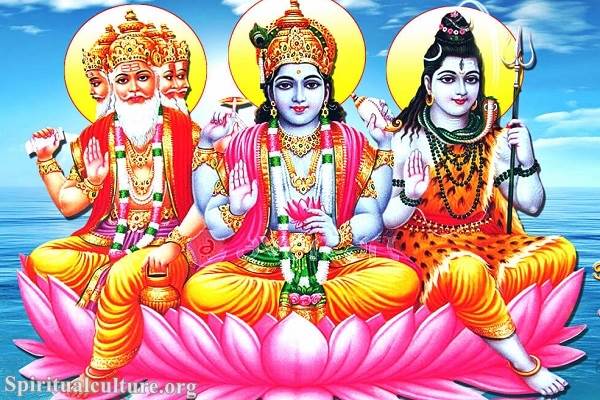
In the popular Trimurti model, Shiva is associated with destruction or transformation. The role concerns cosmic cycles, not the deity’s own mortality.
Shaiva theology
Many Shaiva traditions treat Shiva as the supreme Lord or ultimate divine reality, making the idea of a final mortal death theologically inappropriate.
Nataraja
Shiva as Lord of Dance represents cosmic processes of creation, preservation, destruction, concealment, and grace.
The lingam
Shiva is also worshipped through the liṅga, a sacred form with multiple theological interpretations connected with divine presence and infinity.
The poison myth
A famous story tells of Shiva taking in deadly poison during the churning of the ocean and becoming Nīlakaṇṭha, the blue-throated one. The story does not end with Shiva’s death.
Myths can be confused online
Stories involving Sati, Daksha, demons, sacrifice, or cosmic dissolution are sometimes retold inaccurately as stories of Shiva dying. In many Puranic accounts, it is Shiva’s first wife, Sati, who dies at Daksha’s sacrifice; she is later reborn as Parvati, who marries Shiva. The story does not describe Shiva’s death.
Texts vary
Puranic and regional traditions do not tell every story identically. Responsible explanation should identify the source rather than invent one harmonized biography.
Shiva and cosmic time
Hindu cosmologies describe immense cycles of creation and dissolution. Shiva’s association with cosmic destruction belongs to those recurring cycles and does not imply that Shiva undergoes an ordinary human death at the end of one earthly lifespan.
Why myth should not be flattened into biography
Mythic narratives communicate theology, ritual memory, sectarian identity, and sacred imagination. Asking whether every event happened as a mortal biography can obscure the religious purposes for which the stories are told.
Context and interpretation
The best general answer is that Shiva is not normally said to have died. Stories of destruction, disappearance, poison, or cosmic dissolution belong to theological and mythic frameworks, not mortal biography.


But then Parvati came into lord Shiva’s life after the death of his wife Sati
Thank you, Srijani. You’re right. According to many Hindu traditions, Sati, Shiva’s first wife, died following the events at Daksha’s sacrifice and was later reborn as Parvati, who married Shiva. Our article focuses on whether Shiva himself died, but we agree that this distinction deserves a clearer explanation. We have updated the article accordingly. Thank you for your helpful comment.