
Celebrating Vesak: An Enlightening Journey into Buddhism
Explore the rich history, significance, and celebrations of Vesak, the most sacred Buddhist festival, commemorating Buddha’s life.
Explore the rich history, significance, and celebrations of Vesak, the most sacred Buddhist festival, commemorating Buddha’s life.
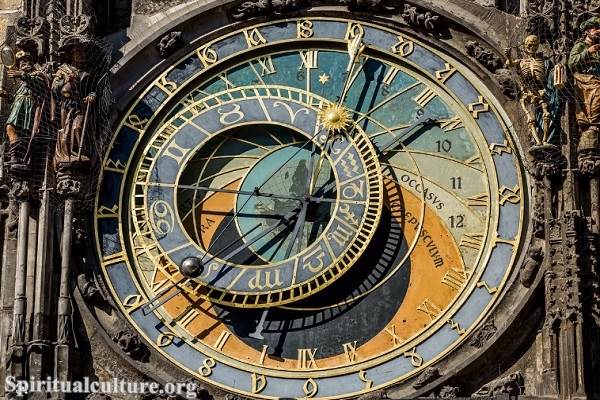
The Gregorian calendar is a solar calendar introduced by Pope Gregory XIII in 1582 to reform the Julian calendar in historical context.
True peace arises through love, not retaliation—this teaching reveals the transformative power of compassion over hatred in Buddhism.
A sacred call to heal creation and elevate justice — how Judaism invites every soul to participate in repairing the world in context.
The Sabbath is God’s gift of rest—a holy rhythm to renew our souls and draw us into His presence beyond life’s constant demands in context.
The Old Testament, also known as the Hebrew Bible, is a collection of 39 books that are considered sacred scripture by Jews and Christians.
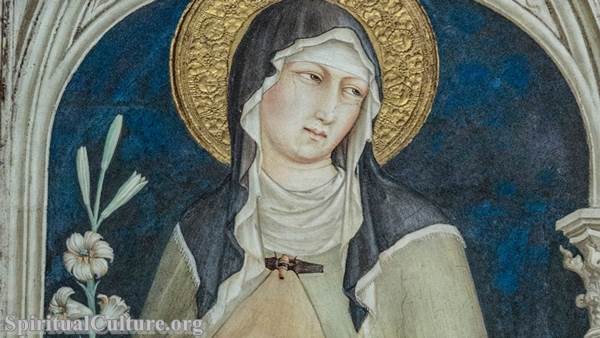
Learn about Saint Clare of Assisi: A Testament of Humility and Devotion, including legacy, religious significance in Catholic tradition.
Jesus is called the “second Adam” because He reversed Adam’s fall, bringing righteousness and life where sin and death once ruled.
The Crusades were a series of religious wars that deeply impacted church history, revealing both faith-driven zeal and human conflict.
Seishi (Mahāsthāmaprāpta), Bodhisattva of Great Strength, embodies the wisdom and power that support awakening in Pure Land practice.
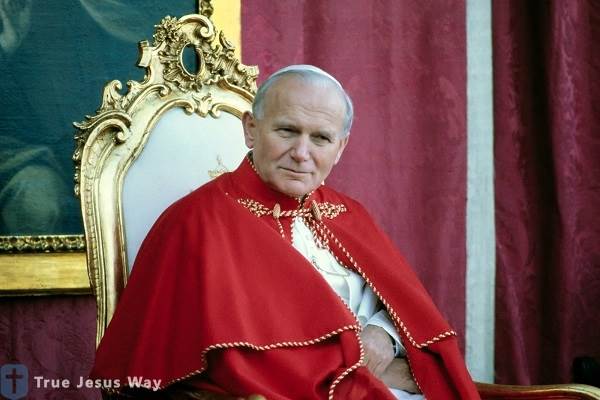
The youngest popes remind us God can work through young leaders, calling even youthful hearts to serve His kingdom in Catholic practice.
Anger itself isn’t a sin, but unrighteous or uncontrolled anger can lead to sin and harm relationships with God and others in Christianity.